Purpose
What this drill trains, and why it matters.
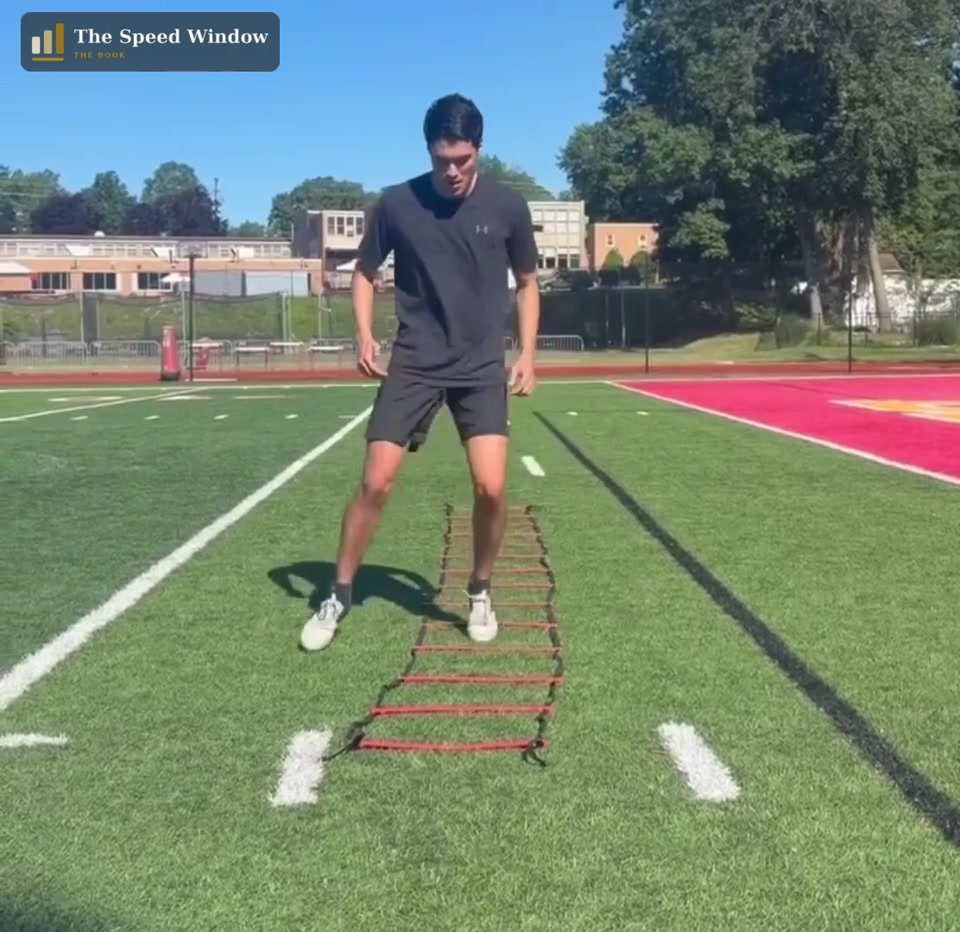
The Ski Jump is the ladder's lateral bounding pattern. The athlete keeps both feet together and jumps side to side across the ladder, landing alternately on the left and right of it, drifting one rung forward with every jump. The image to give a young athlete is exactly what the name says: slalom skiing.
The training target is lateral elasticity. Every landing absorbs sideways momentum and the very next jump redirects it the other way. That absorb-and-redirect cycle, repeated on a beat, is the foundation of cutting mechanics. The ladder version keeps the forces small enough for Neural Window athletes while the rhythm keeps the reps honest.
Alongside the elastic work, the drill builds ankle stiffness the same way pogo work does, but with a lateral vector that pogo hops never train. The combination of side-to-side spring and forward drift also demands real midline control: the trunk has to stay quiet while the feet swing left and right underneath it.
Setup
How to position your athlete before the first rep.
Lay the ladder flat on a firm surface
Hard court or short turf. The landings land beside the ladder, so check the ground on both sides, not just under the rungs.
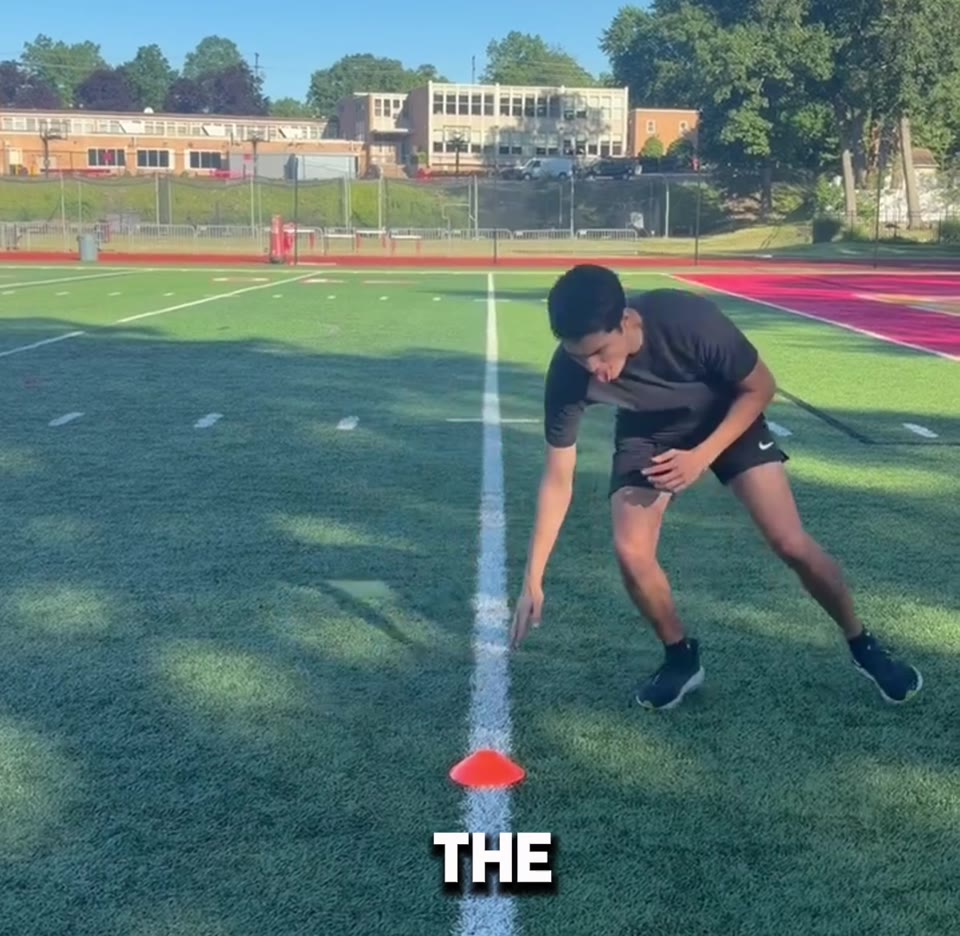
Start beside the first rung, feet together
Both feet together on one side of the ladder, knees soft, weight on the balls of the feet, arms ready to swing.
Rehearse two slow jumps over a single rung
Over and back, in place. Confirm the athlete clears the ladder comfortably and lands with feet together before adding the forward drift.
Execution
The drill, step by step.
Jump across the ladder, feet together
Both feet leave together, travel over the ladder, and land together on the far side. The jump is a low, quick arc: just enough height to clear.
Land soft, on the balls of the feet
Knees bend on contact, heels stay off the ground, and the landing makes almost no sound. Each landing is instantly the takeoff for the next jump.
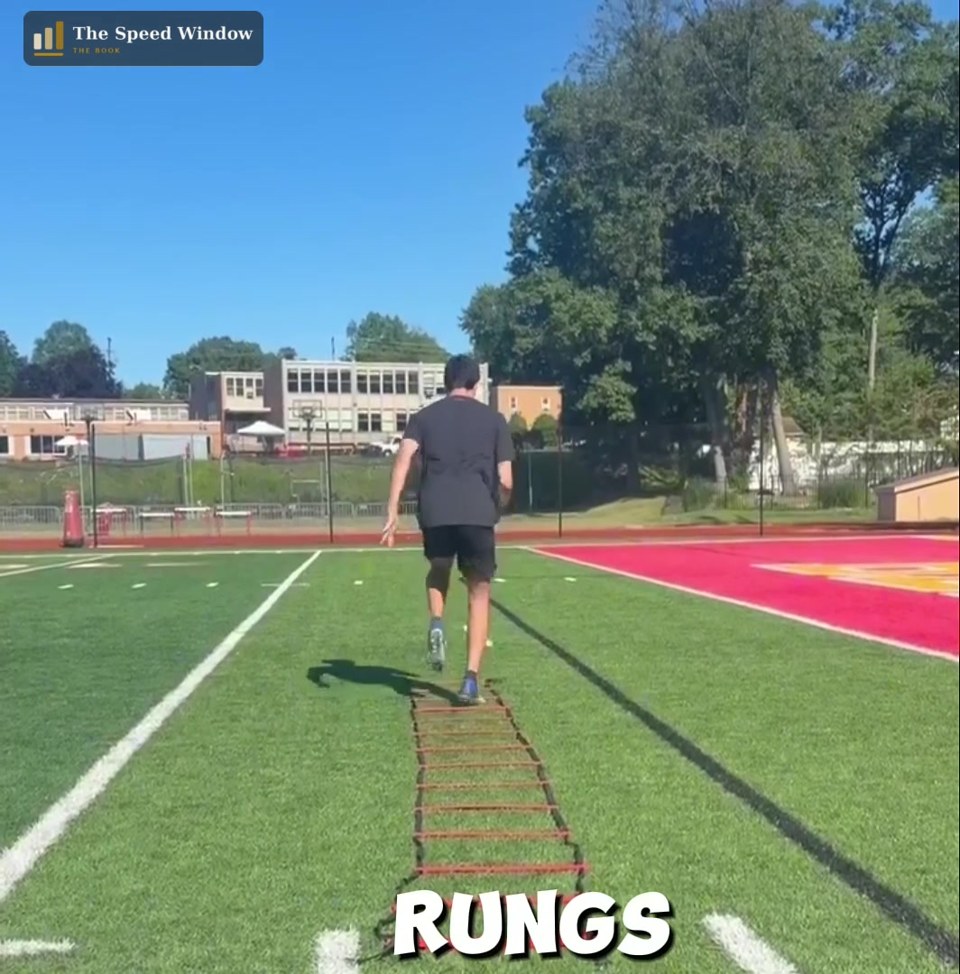
Advance one rung per jump
Each landing is one rung farther down the ladder. The forward drift is a small angle in each jump, not a separate movement.
Let the arms swing with the jumps
A compact side-to-side arm swing balances the body and sets the rhythm, exactly like a skier. Locked, stiff arms make the landings stiff too.
Keep the trunk tall and quiet
The feet swing side to side; the chest stays level and faces forward. If the shoulders start whipping sideways with each jump, slow the tempo.
Common Errors
What to watch for and how to correct it.
Landing flat-footed or on the heels
Kills the elastic rebound and jars the joints. Cue 'land on the springs' (balls of the feet). If the fault persists, the jumps are too big: shrink them.
Feet separate in the air
The pattern turns into a stride instead of a bound. Feet stay glued together from takeoff to landing. Rehearse in place until it holds.
Too much height
Big vertical jumps slow the rhythm and add landing load without adding value. This is a quick, low pattern: clear the ladder by inches, not feet.
Drifting off the line
The athlete wanders away from the ladder or starts clipping it as fatigue builds. The ladder is the lane marker; when accuracy drops, the pass is over.
Coaching Cue
The one thing to say when you need the rep to change.
"Ski it: quick, low, feet glued."
The skiing image does most of the coaching by itself: athletes instantly understand the side-to-side rhythm and arm swing. 'Quick, low' caps the amplitude and keeps ground contacts short. 'Feet glued' holds the two-foot bound together.Progressions & Regressions
Where this drill fits in the sequence.
Regress to: if the athlete is struggling
- Line jumps: side-to-side over a flat line, no ladder, no forward drift
- In-place rung jumps: over and back across one rung until landings are soft
- Ladder: Straddle Hop. A lower-demand two-foot rhythm pattern
Progress to: once the pattern is clean
- Ski Jump at speed: faster beat, same silent landings
- Single-leg line hops: the same lateral spring on one leg at a time
- Lateral Shuffle: convert the lateral spring into open lateral movement
Programming Notes
When and how to use this drill in a session.
Program the Ski Jump with the jumping half of the coordination block, next to the Straddle Hop. Straddle Hop teaches the in-out landing shape; Ski Jump adds sideways momentum to absorb and redirect. In that order.
3 to 4 passes per session, full recovery between passes. Like all ladder jumping, count contacts: 10 landings per pass adds up quickly across a session that also includes plyometric work.
Watch the sound of the landings across the pass. The first loud landing is the fatigue line, and everything after it trains a worse pattern. Coaches who end passes on sound rather than on rung count get better results from this drill.
Neural Window · Ages 7–12
The critical learning window.
Between ages 7 and 12, the nervous system acquires movement patterns faster than at any other stage of development. The drills trained here are not fitness drills. They are wiring sessions.
Explore the Neural WindowEvery drill here comes from the book.
The Speed Window maps all three windows: what to train, when, and why.
Get the Book