Foundations First Athletics

Train your athlete.
At the right time.
In the right sequence.

There is a window to wire movement patterns. A window to adapt through growth. A window to build force. Each one closes. The next one opens on top of whatever was built, or wasn't. The sequence is biological. It does not wait. The Speed Window maps all three.

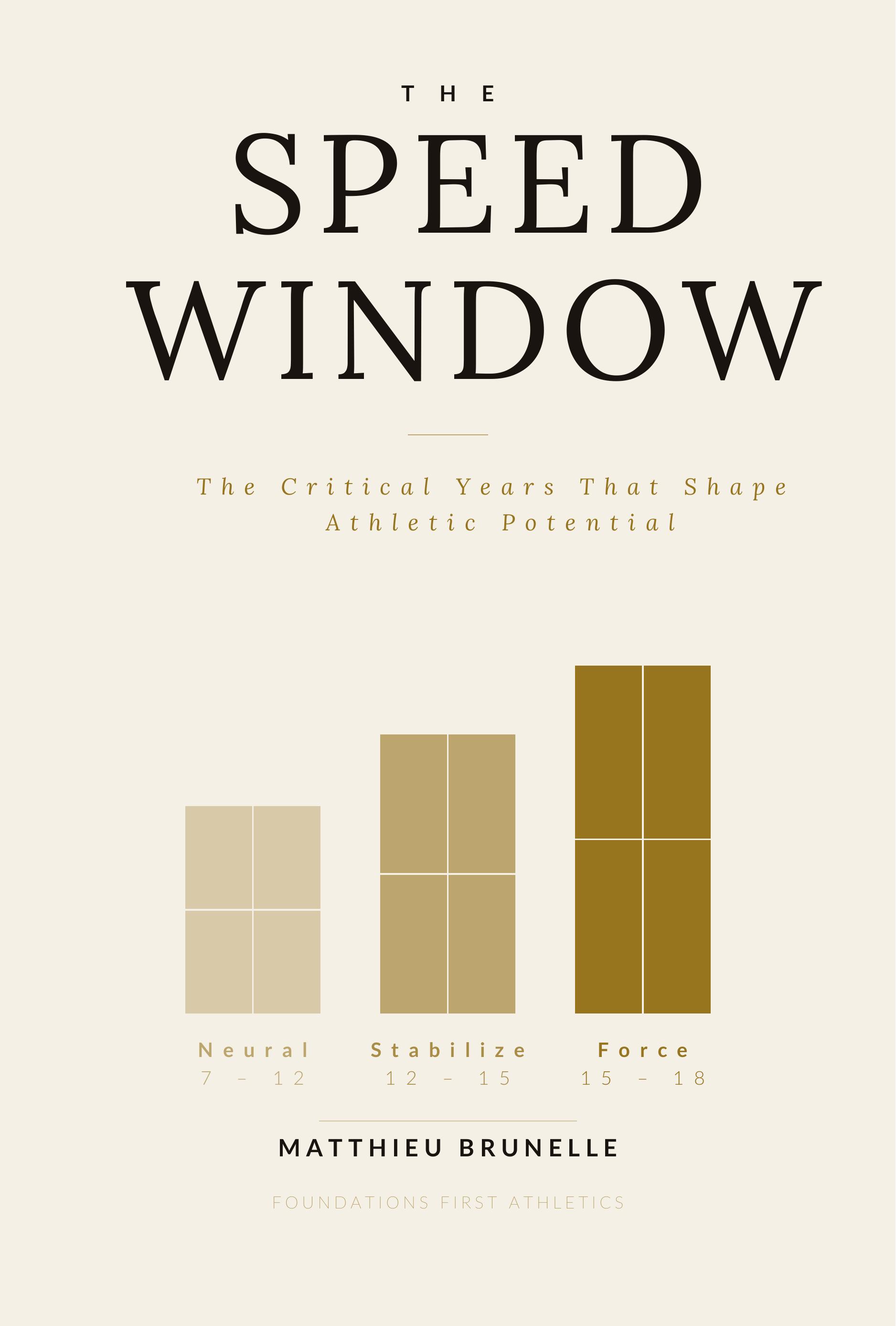
Neural · 7–12Stabilization · 12–15Force · 15–18
The Speed Window by Matthieu Brunelle

The goal is not to win at twelve. The goal is to be thriving at eighteen.

Three windows. One pathway.
Every athlete.

Development is not an arms race. It is a sequence. Each age window trains a different quality, and missing one costs the next.

Window 01

Neural

Ages 7–12

The nervous system is primed for learning. Speed, coordination, and movement patterns are acquired faster during this stage than at any other point in development.

Primary focus

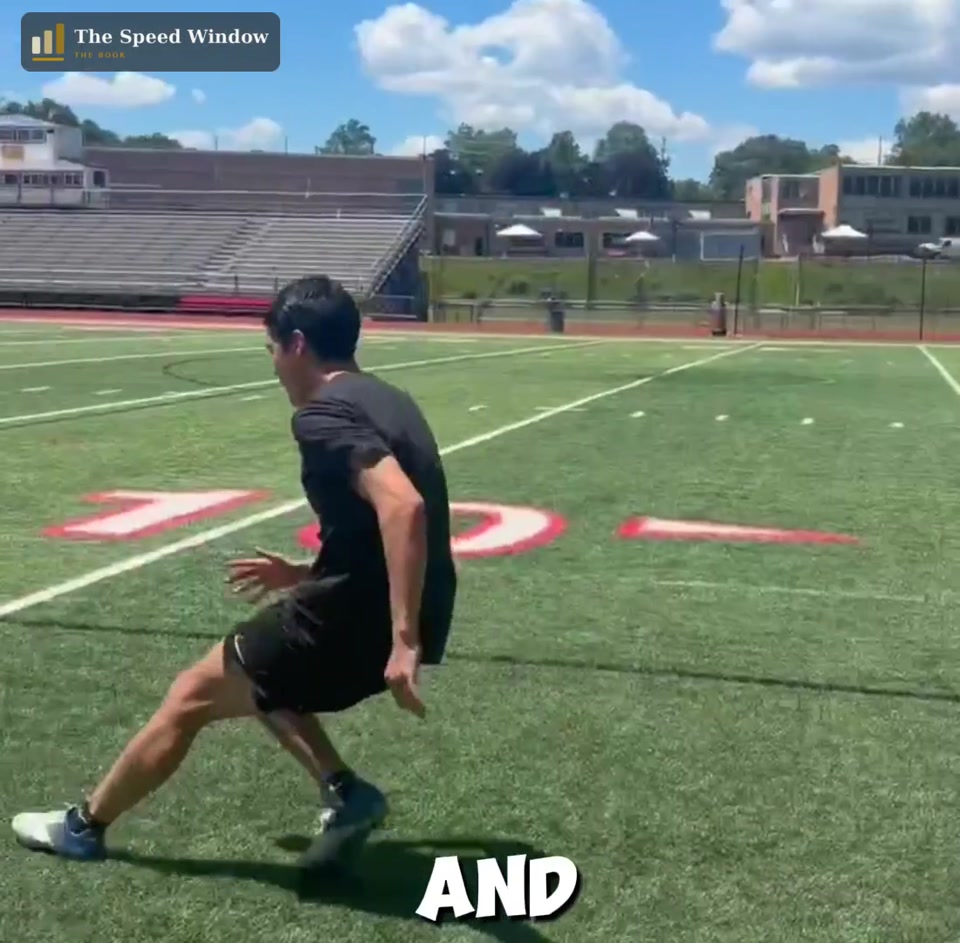
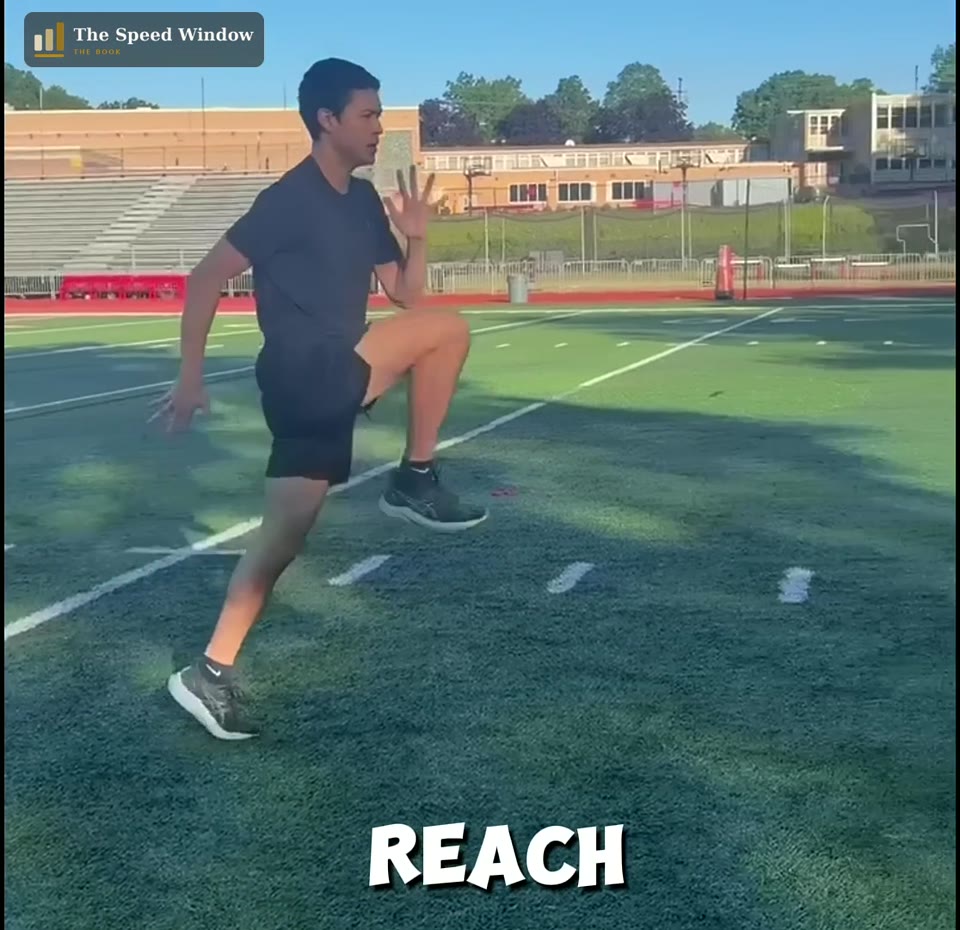
  • Sprint mechanics
  • Coordination and rhythm
  • Balance and agility
  • Reaction time

Window 02

Stabilization

Ages 12–15

Growth disrupts coordination. This window is for re-establishing mechanics, introducing structured strength, and building the physical base that force training requires.

Primary focus

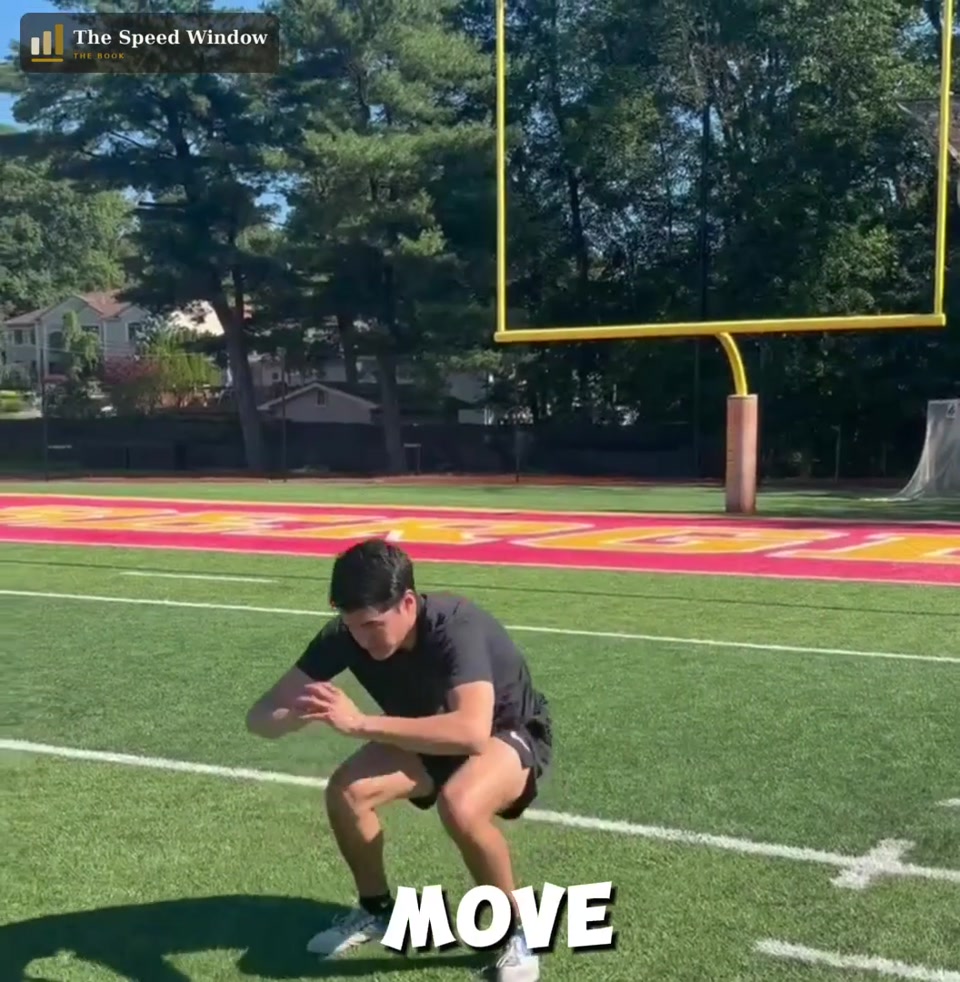
  • Re-coordination through growth
  • Foundational strength
  • Mechanics refinement
  • Controlled acceleration

Window 03

Force

Ages 15–18

The athlete is physically ready for high-intensity training. Speed-power, strength development, and sport-specific performance are built on the foundation of the first two windows.

Primary focus

  • Speed-power development
  • Structured strength systems
  • Explosive training
  • Sport-specific performance

These windows reflect the typical male development timeline. Girls generally reach each stage approximately two years earlier.  ·  Ages 5–7: Before the window opens →

Three lies are costing your athlete
more than you realize.

Youth sports in the United States runs on myths. They are repeated often enough that they begin to feel like truth. Every one of them has a business model behind it. Every one of them costs athletes more than the family paid to believe them.

Lie One

If my child does not start early, they will fall behind.

The youth sports industry spent decades engineering that response. Every private session, year-round club, and position-specific camp depends on parents believing their child is already behind. The urgency is manufactured.

Athletes who specialized early built a lead in one sport. The ones who played multiple sports and specialized later erased it. The early specialist did not win long term. They peaked first.

Lie Two

More training equals more progress.

The body does not reward accumulation. It rewards adaptation. Adaptation only happens when the stress of training is followed by adequate recovery. Without recovery, the body does not consolidate what training has stimulated. It carries forward the fatigue instead.

The extra session feels productive. The double practice looks serious. The summer camp stacked on top of the club season feels like an edge. The calendar stays full. The body keeps score.

Lie Three

The hardest coach produces the toughest athlete.

True resilience is not built through chaos. It is built through progressive exposure: challenge applied at the right time, in the right dose, with the right recovery built in. A child who is constantly overwhelmed does not become hardened to difficulty. They become guarded against effort.

The hardest coach gets celebrated. The brutal session gets posted. Toughness built on suffering has a shelf life. The athlete built on mastery keeps competing when it counts.

Parents are not naive. They are sold. There is a difference. The Speed Window names the lies, explains the science behind each one, and gives you a framework that actually matches how athletes develop.

"You are doing everything they told you to do. More sessions. More camps. More specialization. What nobody told you is that more is the wrong answer at the wrong time."

The Speed Window

Most athletes are trained for today. This book is designed for where they're going.

The athletes who dominate at 12 often burn out by 16. The ones still thriving at 18 were trained with the sequence in mind, not the scoreboard.

3

Developmental windows every athlete must move through

11

Years of developmental opportunity between ages 7 and 18

01

Timing matters more than effort

More training does not equal more progress. Adaptation only occurs when stress and recovery are matched to the athlete's developmental stage.

02

Movement quality outweighs intensity

Speed, agility, and coordination must be learned technically before being trained physically. The sequence cannot be reversed.

03

Athletes are not trained the same across ages

A 10-year-old and a 16-year-old are in fundamentally different developmental stages. Training them the same is not equal. It is wrong for both.

The book gives you the framework.
The platform gives you the practice.

Every book purchase unlocks free access to the companion training library. Upgrade to get the full system.

Free with book

Foundations Free

Unlocked by QR code in your copy

  • One drill video per age window (3 total)
  • Universal warm-up system walkthrough
  • Three Windows parent quickstart (10 min)
  • Welcome email series
Scan QR in Book

The goal is not to win at twelve. The goal is to be thriving at eighteen.

The families who get this right shift their frame from current performance to long-term readiness. They understand that what is being built between 12 and 15 does not show up in competition results until 17. They accept the delay, not out of indifference to performance, but because they know when results matter.

Most families measure development the wrong way. They track progress through competition performance, times, statistics, and playing time. These are outputs. They measure what development has already produced, not what is being built.

An athlete developing better mechanics during a plateau is building future performance. An athlete posting fast times on degraded mechanics is borrowing against future capacity.

The Speed Window, Ch. 17

Every goal that measures youth-sport success in the short term shares a common flaw: it measures the wrong time horizon. Foundations are not evaluated by how fast they are poured. They are evaluated by what they can hold.

The Speed Window, Ch. 22

Matthieu Brunelle, Founder of Foundations First Athletics

Matthieu Brunelle

Founder, Foundations First Athletics

They say fast kids are born, not built. Matthieu Brunelle was built.

The diagnoses came early. So did the conclusions. Then a doctor gave his family a plan instead of a verdict: train the nervous system. They followed it at home, then with performance coaches, window by window, in the order the body actually grows.

At twelve, he played for the team, the friendships, the place to belong. Nobody was projecting an athlete. By eighteen, people called him explosive. Fast. Natural. He was none of it by birth. He was built, in order. He went on to play college football and set school records in track and field at Misericordia University.

Brunelle established Foundations First Athletics to give other kids the same sequence. He wrote The Speed Window so no kid gets written off, or used up, before anyone finds out who they were going to be.
Choose your format.

Available on Amazon. Every format includes free access to the companion platform via the QR code inside your copy.

Kindle eBook

$9.99

Instant delivery on any device

  • Full text with embedded diagrams
  • Read on Kindle, phone, or tablet
  • QR link opens directly from the eBook
  • Searchable by drill name or age group
Buy on Amazon

Hardcover

TBD

Premium edition: availability TBD

  • Same full content as paperback
  • Durable cover for coaching environments
  • Platform access included
Coming Later

One QR code.
Everything organized for you.

The book contains one QR code. Scan it and you land on a single page that organizes every drill library, movement game, and warm-up protocol by age group, free with every purchase.

QR
Code

foundationsfirstathletics.com/resources

All Ages

Universal Warm-Up System: the five-component protocol that applies at every window

Ages 7–12

Neural Window drill library: sprint mechanics, coordination, agility, reaction

Ages 12–15

Stabilization Window drill library: re-coordination, foundational strength, mechanics

Ages 15–18

Force Window drill library: speed-power, structured strength, explosive training

The goal is not to win at twelve.
The goal is to be thriving at eighteen.

Get the framework. Train the sequence. Build an athlete who is still thriving at 18.

Buy on Amazon Join Free