Purpose
What this drill trains, and why it matters.
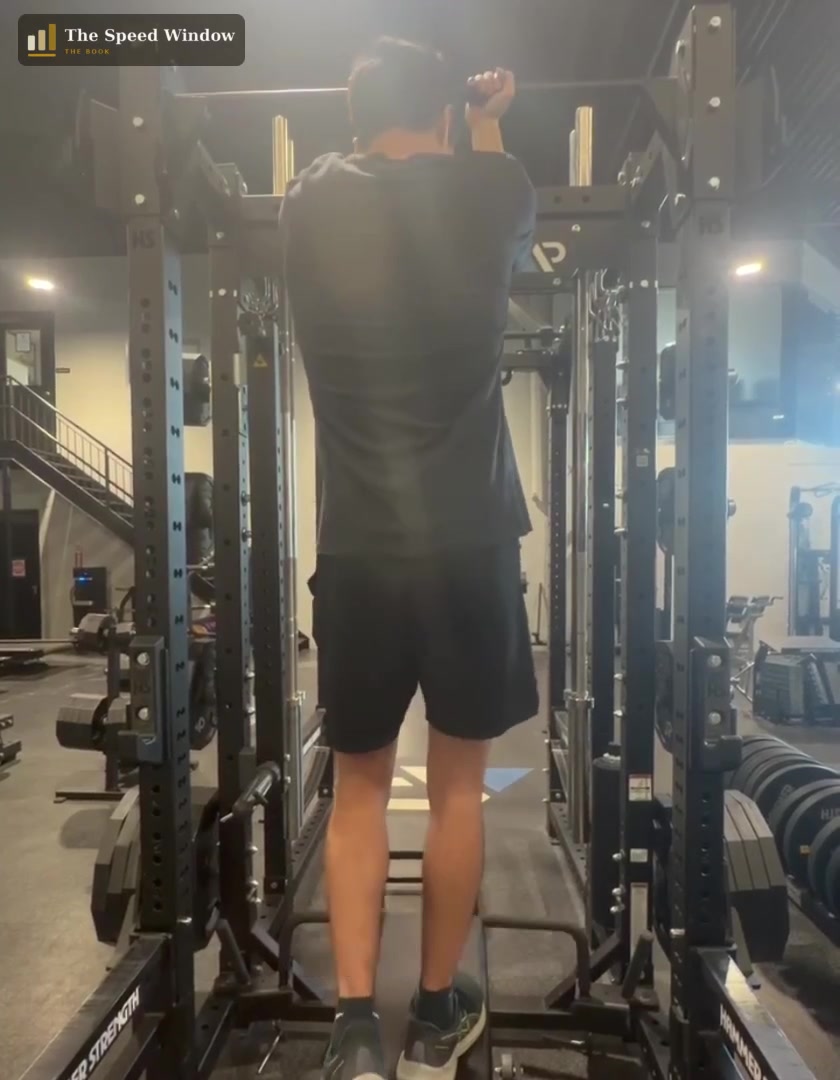
The Weighted Pull-Up is the Force Window's primary upper-body pulling strength exercise. Building on the Chin-Up Progression established in the Stabilization Window, the weighted version adds load to develop the lat and upper back strength that contributes to arm drive efficiency in sprinting and to total-body pulling capacity.
Strong lats are underrated in sprint development. The lat (the latissimus dorsi) connects from the upper arm to the lower back. When the arm drives back during sprinting, the lat is contracting to produce that motion. A stronger lat means a more powerful arm drive. The arm drive creates the counter-rotation that allows the legs to drive forward. This is why pull-up strength and sprint performance are correlated in elite athletes.
The prerequisite for weighted pull-ups is the ability to perform eight to ten consecutive bodyweight pull-ups with full range of motion (chin over the bar, elbows fully extended at the bottom). Do not add weight before this standard is met. Athletes who cannot reach this standard should continue the Stabilization Window Chin-Up Progression.
Setup
How to position your athlete before the first rep.
Attach weight using a belt or hold a dumbbell
A weight belt with a chain allows precise loading and keeps the hands free. Holding a dumbbell between the knees is a simple alternative for athletes without a weight belt. Start with 5 to 10 lbs and progress conservatively.
Grip the bar at shoulder width: overhand or neutral
Overhand (pronated) grip for standard pull-ups. Neutral grip (parallel bars if available) reduces shoulder stress. Chin-up grip (underhand) is a regression to the Stabilization Window exercise and is not the Force Window standard.
Hang at full extension before each rep
The starting position is a dead hang: arms fully extended, shoulder blades elevated slightly. Every rep begins from this position. Do not begin from a partial hang with bent elbows.
Execution
The drill, step by step.
Engage the lats: depress and retract the shoulder blades
Before pulling, the athlete actively depresses and retracts the shoulder blades: pulling them down and together. This pre-activates the lats and protects the shoulder joint. Cue: 'put your shoulder blades in your back pockets.'
Drive the elbows to the ribs. Pull chin over the bar
The pull is initiated by driving the elbows down and back toward the ribs, not by curling the wrists upward. The chin clears the bar at the top of each rep. Do not crane the neck forward to get the chin over.
Control the descent: full extension at the bottom
Lower under control for two to three seconds. The descent is as important as the ascent for strength development. At the bottom, achieve full arm extension before the next rep. Not a partial drop.
Common Errors
What to watch for and how to correct it.
Kipping: using momentum to complete reps
The athlete swings the body to generate momentum for the pull. This reduces the strength training stimulus and masks an inability to do the required reps under control. All Force Window pull-ups are strict. No kip. Cue: 'body straight. No swing.'
Chin does not clear the bar
The athlete pulls only to chin-at-bar rather than over the bar, shortening the range of motion. The chin must clearly pass above the bar level on every rep. If the athlete cannot achieve this, reduce the added weight.
Elbows flaring wide. Not driving to the ribs
The elbows pull out to the sides rather than driving down toward the ribs. This reduces lat engagement and shifts load to the rear deltoids and biceps. Cue: 'drive the elbows to your pockets.'
Coaching Cue
The one thing to say when you need the rep to change.
"Blades down (elbows to the ribs) control the drop."
This sequence cue covers the pre-activation (blades down), the pull mechanics (elbows to ribs, not wrists up), and the descent (control the drop: two to three seconds down). All three elements distinguish a strength-building pull-up from a rep-count pull-up.Progressions & Regressions
Where this drill fits in the sequence.
Regress to: if the athlete is struggling
- Chin-Up Progression (Stabilization Window): bodyweight pull-ups with progression if weighted reps are not yet accessible
- Band-Assisted Pull-Up: reduces effective body weight for athletes not yet at full bodyweight pull-up standard
- Lat Pulldown: machine alternative when pull-up volume is not yet achievable
Progress to: once the pattern is clean
- Weighted Pull-Up: max strength: work to 3 × 3 at near-max added weight
- L-Sit Pull-Up: core stability demand added by holding legs out straight
- Archer Pull-Up: alternating single-arm emphasis for advanced athletes
Programming Notes
When and how to use this drill in a session.
Program the Weighted Pull-Up on upper-body or push-pull days in the Force Window strength structure. Four sets of four to six reps at the same weight, adding five pounds when six reps become achievable across all sets.
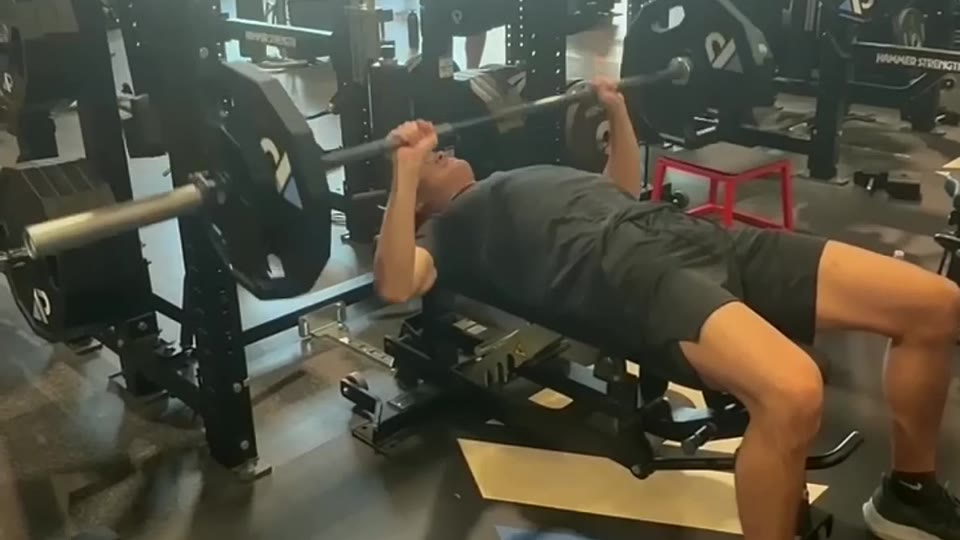
Pair with the Bench Press in a push-pull superset structure: one set of Bench Press, rest, one set of Pull-Up, rest. This reduces total training time and allows upper-body recovery between sets of opposing muscle groups.
Athletes who cannot perform four sets of four weighted pull-ups should return to bodyweight pull-up volume: four sets of six to eight strict bodyweight reps, then retest weighted readiness.
Force Window · Ages 15–18
Power on a proven foundation.
The athlete is physically ready for high-intensity training. Speed-power, strength, and explosive work are built on what the first two windows established.
Explore the Force WindowEvery drill here comes from the book.
The Speed Window maps all three windows: what to train, when, and why.
Get the Book