Purpose
What this drill trains, and why it matters.
The Inchworm is the Neural Window's posterior chain mobilization and core activation drill: two warm-up qualities in one movement. Walking the hands out to a plank develops shoulder stability and core engagement. Hinging forward to reach the feet develops hamstring and calf extensibility. Done consecutively across 10 yards, the athlete arrives at any sprint or plyometric drill with a warm posterior chain and an activated core.
What makes the Inchworm particularly valuable for ages 7 to 12 is that it also teaches the hinge pattern. The forward bend with a neutral spine that is the foundation of every deadlift, RDL, and hip-dominant movement in the Stabilization and Force Windows. The Inchworm is a mobility drill and a movement education tool simultaneously.
The drill also reveals posterior chain tightness with immediate clarity. An athlete who cannot reach the floor without bending the knees significantly is telling you something important about their current mobility baseline. Track this over time: improvement in Inchworm range reflects genuine posterior chain development.
Setup
How to position your athlete before the first rep.
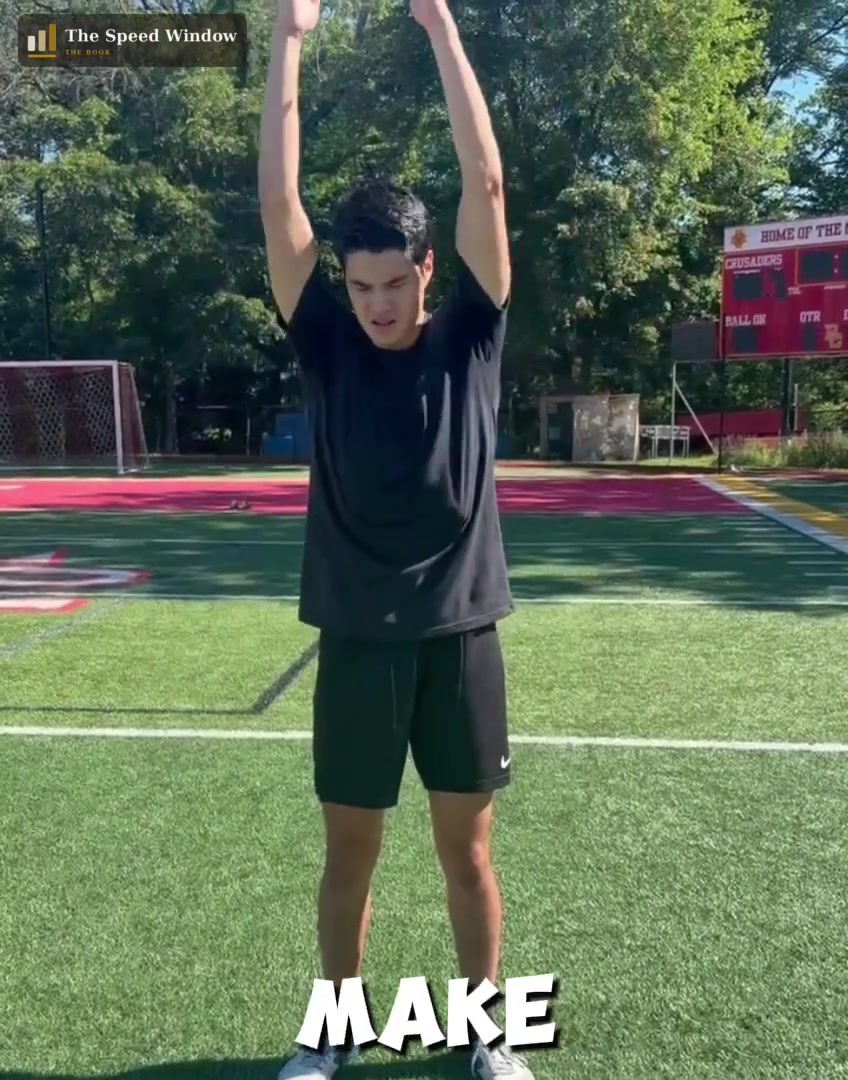
Begin standing, feet together or hip-width
Starting position is tall: fully upright, no rounding. Take a breath in before the first hinge. The movement begins with a controlled descent.
Mark 10 yards of clear space
The Inchworm travels forward continuously. The athlete needs approximately 10 yards of clear, flat surface with nothing underfoot. Turf or a firm floor work best: grass can be uneven.
Move at a deliberate pace. No rushing
The Inchworm is not a speed drill. Each component (hinge, walk-out, plank hold, walk-in) should be controlled and deliberate. Rushing eliminates the mobility benefit.
Execution
The drill, step by step.
Hinge forward: reach the hands to the floor
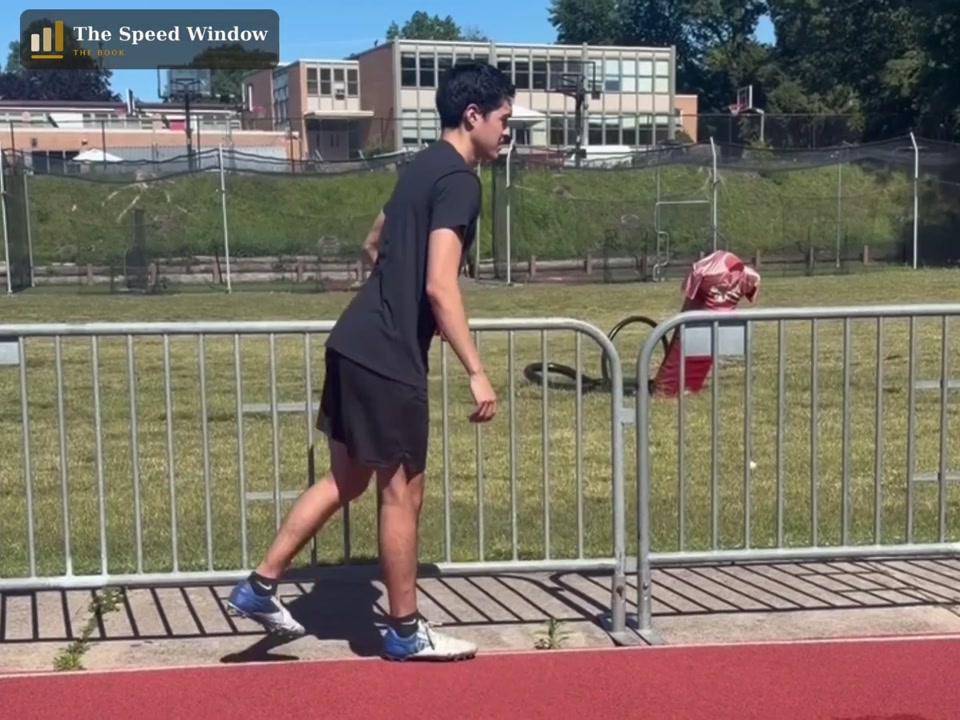
Bend forward at the hips with a neutral spine, reaching the hands toward the floor. Keep the legs as straight as the athlete's current hamstring flexibility allows. The hands should contact the floor within 12 inches of the feet.
Walk the hands forward (4 to 6 steps) to a plank
Move the hands forward, one at a time, until the athlete is in a high plank position: hands under the shoulders, body straight from head to heels, core braced. Pause for one breath in the plank.
Hold the plank: one breath
One full breath in plank position. Shoulders packed, core tight, hips level. Not sagging or piked. This one-breath hold activates the scapular stabilizers and core that the drill is designed to develop.
Walk the feet forward (4 to 6 steps) back to the hands
Move the feet forward toward the hands, one small step at a time. Keep the knees as straight as mobility allows. The athlete should feel the hamstring stretch increasing as the feet approach the hands.
Stand: hinge up with a neutral spine
Press through the hands, tilt the pelvis, and stand back up with the same neutral-spine hinge that started the rep. Repeat. The next rep begins immediately as the athlete walks forward.
Common Errors
What to watch for and how to correct it.
Rounded spine in the hinge
The athlete bends forward with a rounded lower back rather than a hip hinge with a neutral spine. This is a hinge pattern problem, not a flexibility problem. Cue: 'hinge at the hips. Keep the back flat.' Demonstrate the difference between a hip hinge and a spinal rounding.
Pike position in plank: hips too high
The hips rise above shoulder height in the plank position, creating a pyramid rather than a plank. Cue: 'straight from head to heel, drop the hips.' This is typically a core activation issue. The athlete compensates for lack of core tension by pushing the hips up.
Skipping the plank hold
The athlete walks out and immediately walks back in without pausing. The one-breath plank hold is the shoulder and core activation component of the drill. Without it, the Inchworm becomes a pure mobility exercise and loses half its value.
Bent knees throughout. No hamstring stretch
The athlete bends the knees significantly to reach the floor, which removes the posterior chain stretch. This indicates restricted hamstrings. Note the restriction and use it as a baseline. Over time (weeks of consistent Inchworm work) this range will improve.
Coaching Cue
The one thing to say when you need the rep to change.
"Flat back down, plank, flat back up."
This cue describes the three key positions of the full Inchworm cycle: the hinge down (flat back), the plank hold (plank), and the hinge back up (flat back). Reinforcing all three positions in one phrase prevents the athlete from shortcutting any phase of the movement.Progressions & Regressions
Where this drill fits in the sequence.
Regress to: if the athlete is struggling
- Standing hamstring stretch: static hold for athletes with severe posterior chain restriction before attempting the dynamic version
- Plank hold: isolated core activation practice before integrating into the Inchworm movement
Progress to: once the pattern is clean
- Inchworm to push-up. Add one push-up in the plank position before walking the feet back in
- Inchworm to shoulder tap. Add alternating shoulder taps in the plank to increase core anti-rotation demand
Programming Notes
When and how to use this drill in a session.
Place the Inchworm after the leg swings in the warm-up sequence. The swings open the hip; the Inchworm opens the posterior chain and activates the core. The pair makes a complete lower-body and core warm-up before sprint, agility, or plyometric work.
2 to 3 passes of 10 yards per session. No rest between passes. The total time is 3 to 4 minutes. This is not a flexibility training session. It is a warm-up activation. Do not spend more than 4 minutes on the Inchworm portion of the warm-up.
Track hamstring range over time: specifically, how far the athlete can reach toward the floor without bending the knees. Improvement in this range over 8 to 12 weeks of consistent Neural Window training is one of the clearest visible outcomes of the program for parents and coaches to observe.
Neural Window · Ages 7–12
The critical learning window.
Between ages 7 and 12, the nervous system acquires movement patterns faster than at any other stage of development. The drills trained here are not fitness drills. They are wiring sessions.
Explore the Neural WindowEvery drill here comes from the book.
The Speed Window maps all three windows: what to train, when, and why.
Get the Book