Purpose
What this drill trains, and why it matters.
The Carioca is a lateral crossover running drill that opens the hips through rotational movement while simultaneously building the lateral coordination and balance that the Neural Window's agility drills depend on. It is one of the oldest warm-up drills in athletic training for a reason: nothing else activates hip rotation, hip abductors, and lateral rhythm together in a single flowing movement at low effort.
The specific quality that makes Carioca valuable for ages 7 to 12 is its demand for cross-body coordination. The feet alternate between a step in front of and a step behind the lead leg in a continuous lateral rhythm. The brain has to organize the foot pattern while the body moves sideways. The same cognitive-motor demand that makes agility training beneficial for the developing nervous system.
Most young athletes love the Carioca because it looks and feels different from any other drill. That novelty keeps engagement high. Use the drill energy. Let athletes build speed in the Carioca as their coordination improves. The acceleration demand at higher speeds adds a hip drive quality that slow Carioca at warm-up pace does not develop.
Setup
How to position your athlete before the first rep.
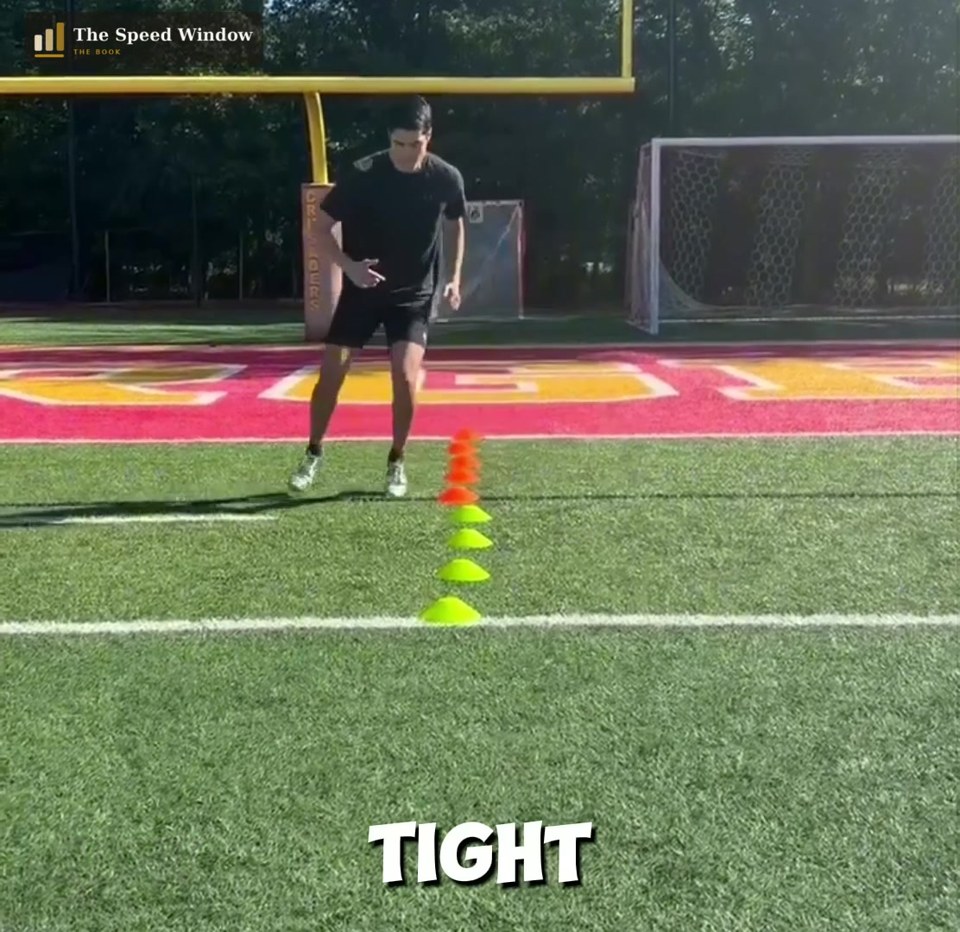
Mark a 15- to 20-yard line
Carioca is a lateral movement drill. The athlete travels sideways along the line. Mark start and end cones. Use both sides of the field so the athlete runs Carioca in both directions equally.
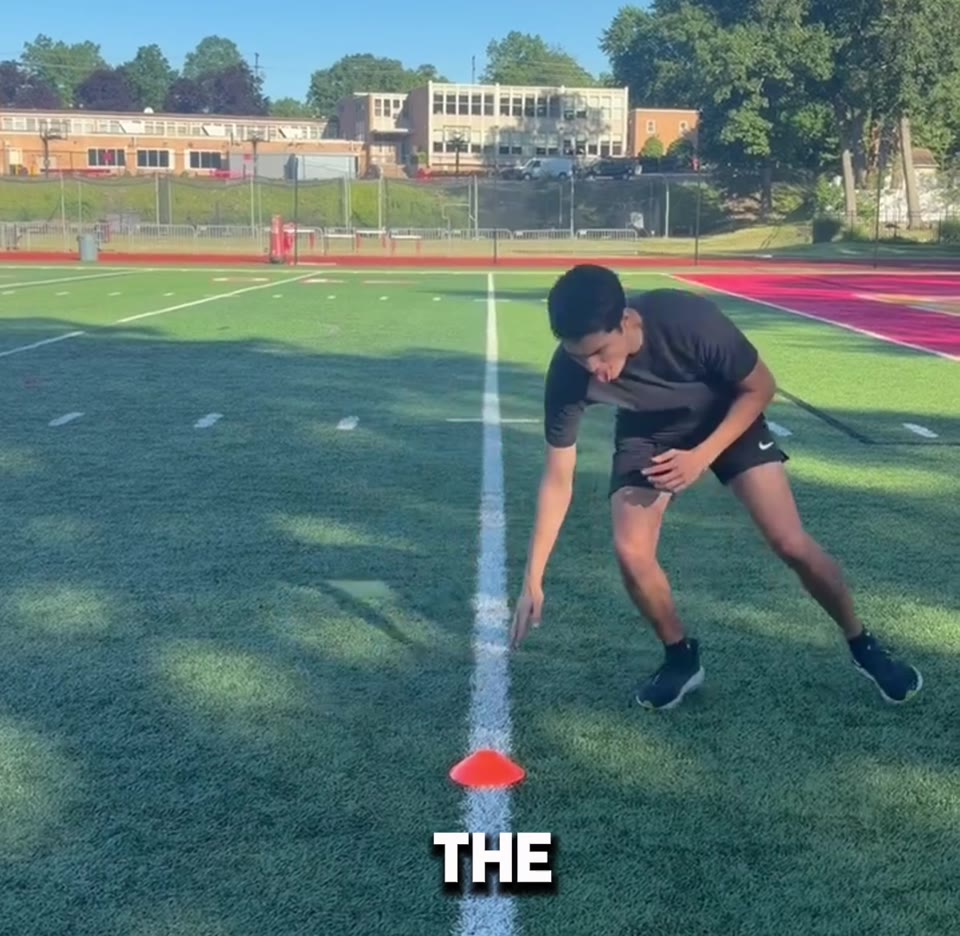
Start in an athletic stance, facing forward
Feet hip-width, slight knee bend, arms relaxed at the sides. The athlete faces forward (perpendicular to the direction of travel) for the full duration of the drill. The hips rotate; the shoulders and head stay as close to forward-facing as possible.
Demonstrate at slow speed before the athlete moves
Walk through the footwork pattern: step to the side, cross the trailing foot in front, step to the side, cross the trailing foot behind, before asking the athlete to run it. The crossover pattern confuses most athletes the first time.
Execution
The drill, step by step.
Step to the side with the lead foot
The lead foot steps laterally in the direction of travel. This is the simple step: feet land hip-width apart.
Cross the trailing foot in front
The trailing foot crosses in front of the body and lands on the outside of the lead foot's landing spot. This is where the hip rotation occurs. The pelvis rotates to allow the crossover.
Step to the side again with the lead foot
The lead foot steps out again, re-establishing the shoulder-width position.
Cross the trailing foot behind
The trailing foot now steps behind the lead foot, crossing at the back. This alternating front-and-back crossover creates the Carioca rhythm: side, front-cross, side, back-cross.
Build speed gradually. Let the rhythm develop
The first pass is always slow. By the third pass, the athlete should be moving at 60 to 70 percent speed with the pattern established. The rhythm becomes fluent (side, front, side, back) at higher speeds.
Common Errors
What to watch for and how to correct it.
Crossing only in front: skipping the behind-cross
The athlete alternates step-and-cross-front but does not execute the behind cross, turning the drill into a modified side shuffle. Cue: 'front, then behind, alternate every step.' Walk through the pattern again slowly.
Shoulders rotating with the hips
The upper body rotates laterally with the hip rotation, so the athlete faces sideways rather than forward. Cue: 'keep your chest forward. Let just the hips turn.' The shoulder-hip dissociation is the specific neural training quality of the Carioca.
Flat-footed contacts
The athlete contacts the ground with the full foot rather than staying on the ball of the foot. The Carioca should be quick and light. Cue: 'light on the feet, quick steps.'
Stopping at the end of each pass rather than running through
The athlete slows and stops at the cone. Run through the cone and decelerate gradually after it: same standard as all sprint and agility drills.
Coaching Cue
The one thing to say when you need the rep to change.
"Chest forward, hips turn, quick steps."
'Chest forward' targets the shoulder-rotation error. 'Hips turn' reinforces the rotational quality that makes the Carioca different from a shuffle. 'Quick steps' targets the foot-contact speed. All three in four words.Progressions & Regressions
Where this drill fits in the sequence.
Regress to: if the athlete is struggling
- Lateral Shuffle: develop basic lateral mechanics before adding the crossover pattern
- Walking Carioca: foot-pattern walkthrough at a deliberate pace before speed
Progress to: once the pattern is clean
- Carioca at near-maximal lateral speed. Build speed across multiple passes
- Carioca to sprint: on a signal, the athlete transitions from Carioca into a linear sprint
- Carioca with head-turn reaction: adds a visual reaction element to the lateral movement base
Programming Notes
When and how to use this drill in a session.
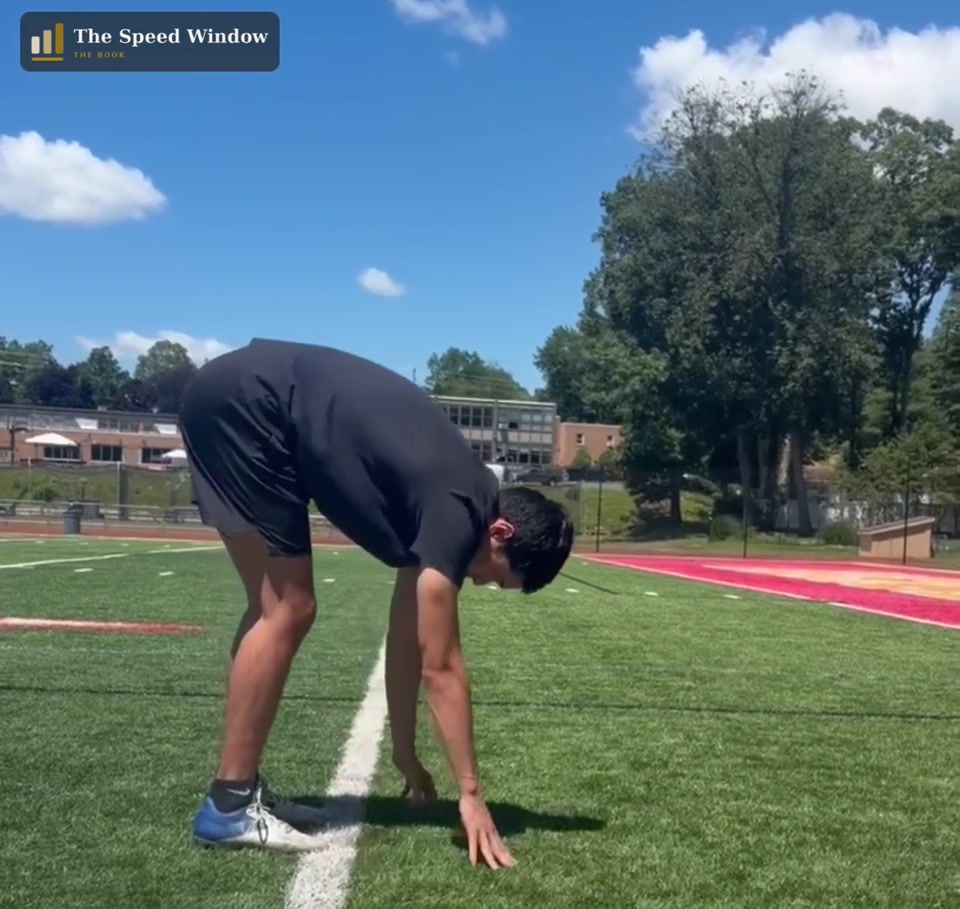
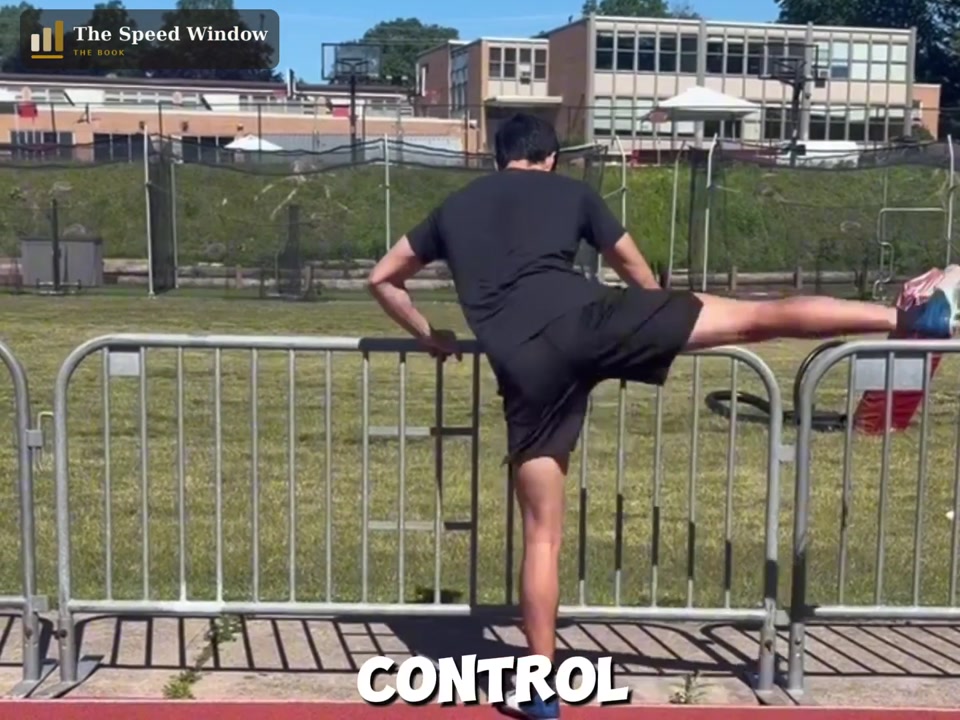
Place Carioca at the end of the warm-up sequence: after Joint Circles, leg swings, and Inchworm. It is the acceleration prep component that takes the hip mobility developed in the earlier drills and adds dynamic lateral speed to it.
2 to 3 passes in each direction per session. Equal volume both ways. The crossover pattern is typically more natural in one direction, and the weaker side deserves more attention.
Carioca is also an excellent recovery drill between high-intensity sprint or agility sets. At low intensity, it maintains hip mobility and lateral activation without adding meaningful metabolic load. Use it during rest periods in later Neural Window sessions as a keep-warm activity.
Neural Window · Ages 7–12
The critical learning window.
Between ages 7 and 12, the nervous system acquires movement patterns faster than at any other stage of development. The drills trained here are not fitness drills. They are wiring sessions.
Explore the Neural WindowEvery drill here comes from the book.
The Speed Window maps all three windows: what to train, when, and why.
Get the Book