Purpose
What this drill trains, and why it matters.
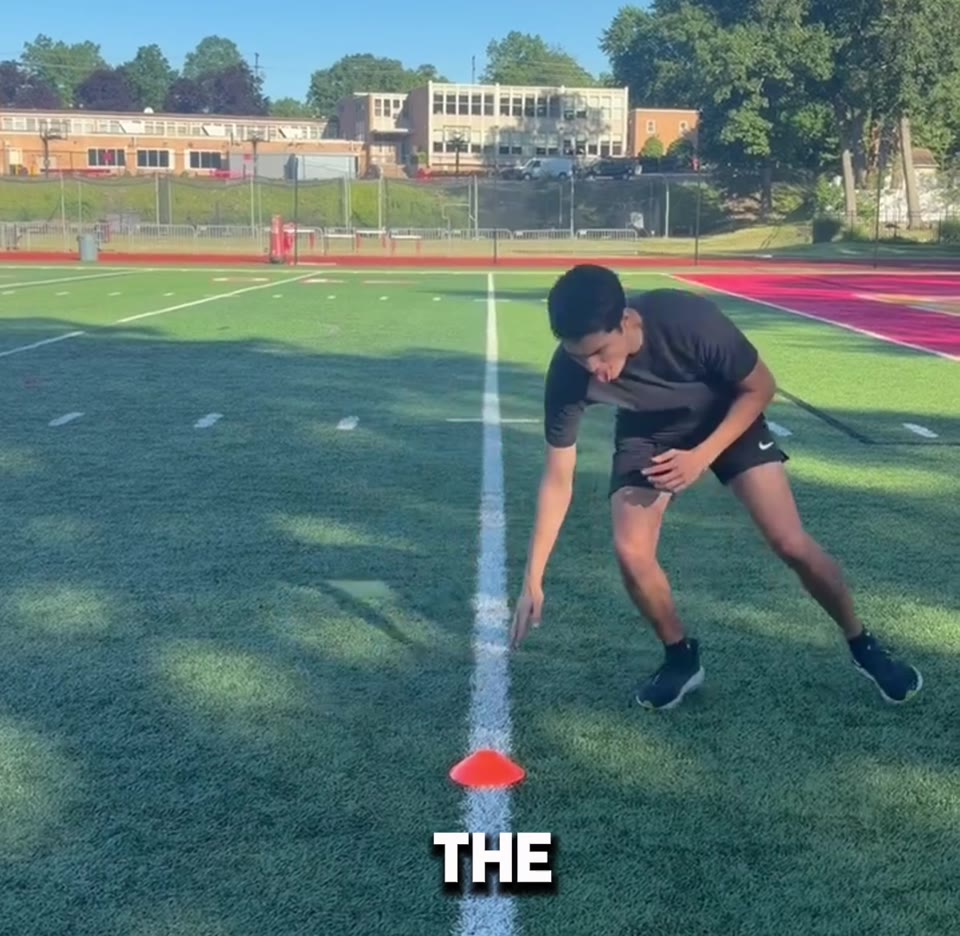
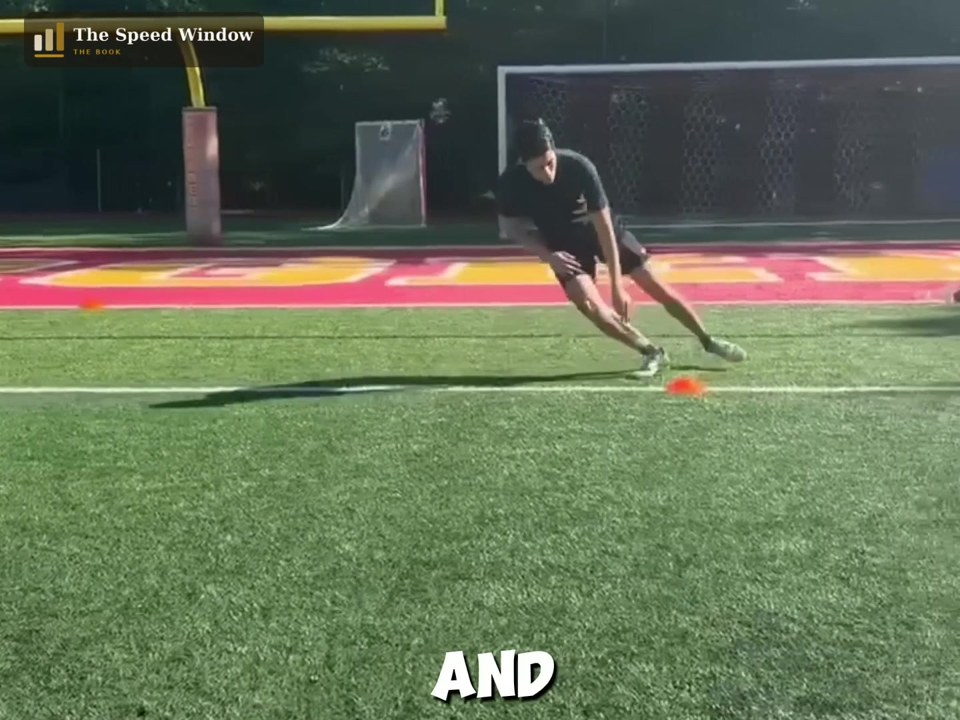
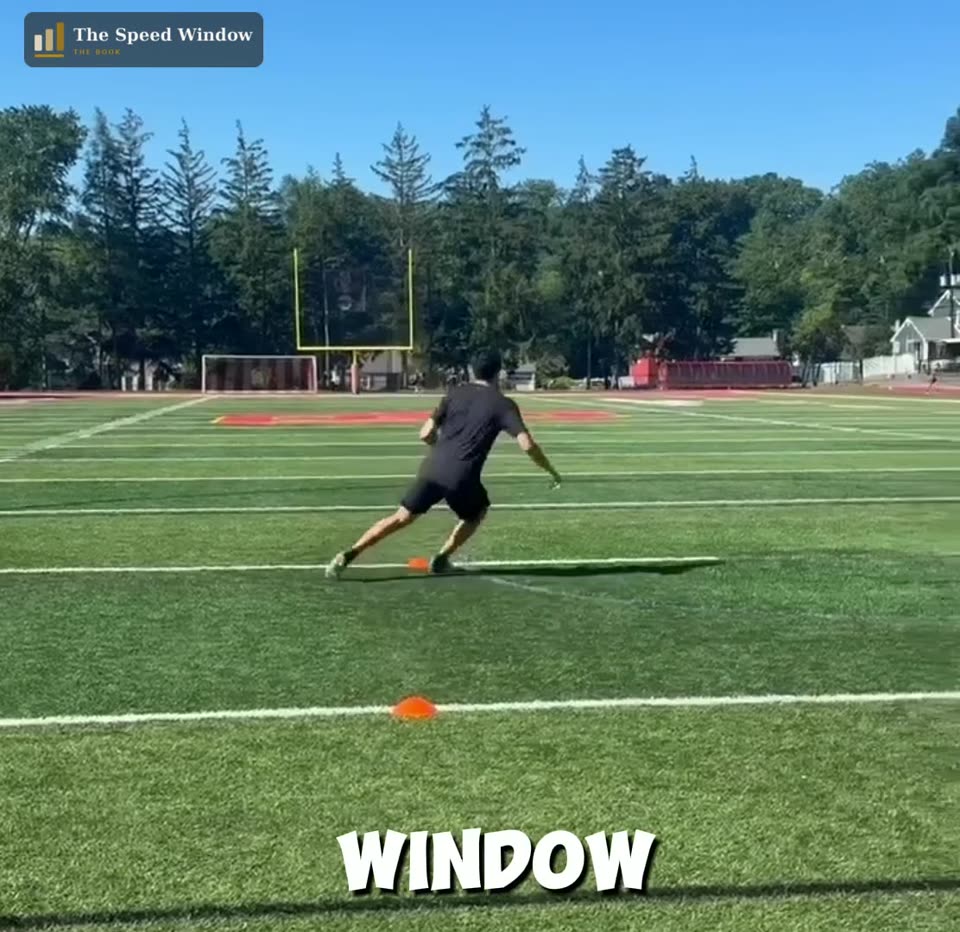
The Cone Weave is the foundational agility drill in the Neural Window. The first drill that teaches the athlete how to change direction with their hips, not their feet. Threading through a line of tightly spaced cones forces the athlete to rotate the hips in and out of each gap. That hip rotation is the mechanical foundation of every change-of-direction skill that follows.
The reason the Cone Weave comes before more complex agility patterns is that it removes the reactive component entirely. The path is predictable. The athlete can focus purely on the mechanical problem: how do I move my hips through a tight space while maintaining a low center of gravity and keeping my feet under me?
Run it in both directions every session. Most athletes will have a dominant direction: their weave will be smoother going right than left, or vice versa. Identifying and addressing this bilateral asymmetry early is one of the most important things the Cone Weave can reveal.
Setup
How to position your athlete before the first rep.
Set six cones in a straight line, one yard apart
A tight spacing forces genuine hip rotation. Two yards between cones allows the athlete to run around without rotating: which defeats the purpose of the drill.
Begin at one end of the line
Athletic stance, eyes forward (not down at the cones). Athletes who look at their feet lose posture and slow down. The cone pattern should be memorized before moving.
Walk through it once before speed
First pass is always at walking pace. This activates the hip pattern without any movement demand. Then build to a jog, then to full weave speed.
Execution
The drill, step by step.
Enter the first gap with a hip turn
Step into the first gap with the lead foot, but the hips rotate in the direction of the weave simultaneously. The foot follows the hip. Not the other way around.
Low center of gravity throughout
Slight knee bend maintained through the entire drill. Athletes who stand upright cannot rotate the hips quickly enough to thread consecutive gaps. Cue: 'stay low. Drive your hips through the gap.'
Quick feet, continuous motion
There is no pause between cones. The weave is a fluid, continuous motion from the first cone to the last. Quick, choppy steps between cones; smooth, continuous hip rotation through each gap.
Finish through the last cone. No deceleration until clear
Deceleration begins after the last cone, not at it. Running through the final cone reinforces the completion mechanic that carries into game situations.
Common Errors
What to watch for and how to correct it.
Running around the cones instead of through them
The athlete swings wide on the outside of each cone rather than threading through. This means the spacing is too tight for their current ability, or they have not understood the drill. Widen to 1.5 yards and walk through the pattern again.
Upright posture. No hip bend
Standing straight through the weave eliminates hip rotation and forces the athlete to slow significantly at each gap. Cue: 'bend and drive through.' Demonstrate the hip-rotation motion before the athlete runs.
Looking at the cones
Head drops to watch the feet navigate each cone. The athlete loses posture and loses speed. Cue: 'eyes forward, trust your feet.' Set a target at the end of the cone line for the athlete to focus on.
Asymmetrical speed: faster in one direction
Normal and expected, but not acceptable as a permanent pattern. Track which direction is weaker and always begin with the weaker side. Extra volume in the weaker direction until the difference closes.
Coaching Cue
The one thing to say when you need the rep to change.
"Drive your hips through: eyes forward."
This cue targets the two most common breakdown points simultaneously: the hip rotation (which produces speed through the pattern) and the eye focus (which maintains posture). Deliver it before the rep, not during.Progressions & Regressions
Where this drill fits in the sequence.
Regress to: if the athlete is struggling
- Walking Cone Weave: same pattern at walking pace to establish the hip rotation feel
- Lateral Shuffle: develop lateral mechanics before the hip-rotation demand of the weave
- Wide cone spacing (2 yards): allows partial hip rotation while the pattern is learned
Progress to: once the pattern is clean
- Cone Weave with added acceleration out the end
- Lateral Shuffle to Cone Weave: combine two agility skills in one continuous rep
- Cone Weave on signal: vary the start to introduce a reactive element
Programming Notes
When and how to use this drill in a session.
Use the Cone Weave in the agility prep phase of any Neural Window session where lateral mechanics are the focus. It pairs naturally with the Lateral Shuffle. Run Shuffles first, then transition to the Weave.
3 to 4 passes in each direction per session. Always run both directions. Track which direction is weaker and load that side. The Cone Weave is also an excellent warm-up drill. The hip-rotation activation carries over to all lateral and agility work that follows.
Once the pattern is clean and consistent in both directions, introduce the progression (weave to sprint) to increase the training demand without adding complexity to the movement.
Neural Window · Ages 7–12
The critical learning window.
Between ages 7 and 12, the nervous system acquires movement patterns faster than at any other stage of development. The drills trained here are not fitness drills. They are wiring sessions.
Explore the Neural WindowEvery drill here comes from the book.
The Speed Window maps all three windows: what to train, when, and why.
Get the Book