Purpose
What this drill trains, and why it matters.
The Single-Leg Hop + Stick is the Neural Window's primary tool for developing unilateral landing mechanics. Where the Broad Jump + Stick teaches the athlete to absorb force on two legs, this drill demands the same quality of deceleration on one. That single-leg demand is closer to the reality of athletic movement: most landing events in sport happen on one foot.
Landing on one leg is technically harder and reveals asymmetries that the bilateral broad jump cannot. An athlete who lands cleanly on the right leg but collapses inward on the left has a unilateral stability gap. Finding that gap at ages 7 to 12 (before growth and load expose it as an injury) is one of the highest-value things a Neural Window assessment can do.
Do not introduce this drill until the Broad Jump + Stick landing is consistently clean. The unilateral demand is meaningfully greater, and attempting it before the athlete can absorb bilateral force correctly will ingrain a compensation pattern rather than a landing pattern.
Setup
How to position your athlete before the first rep.
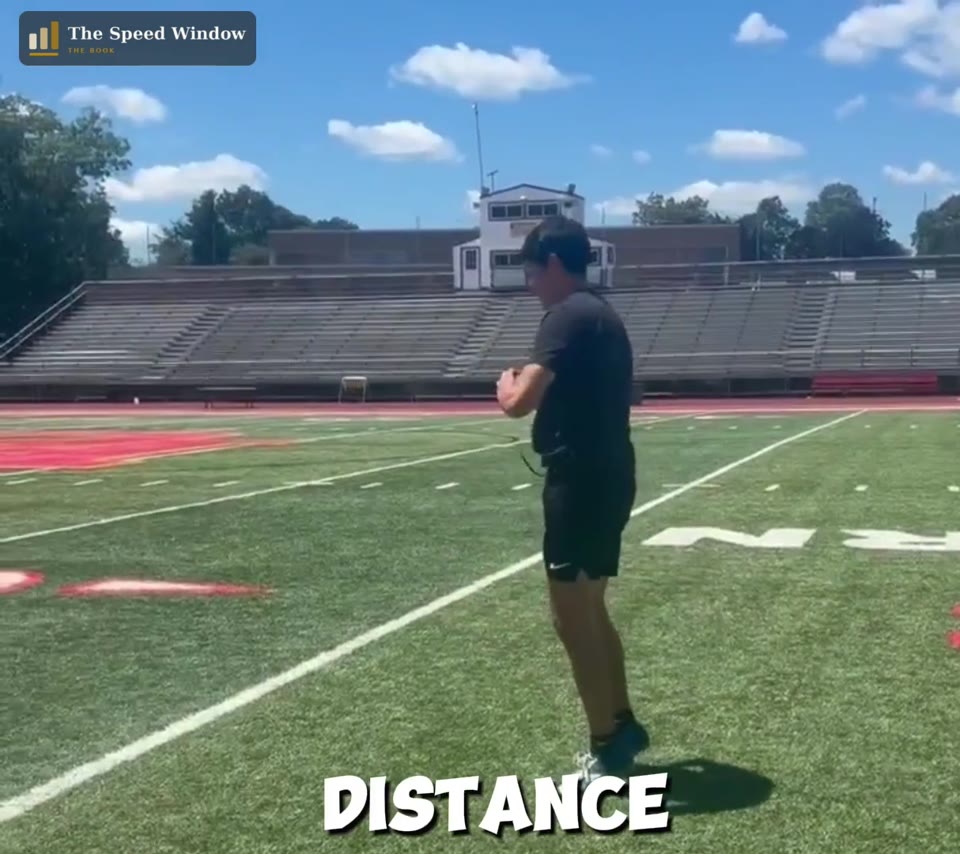
Mark a short hop distance: 3 to 5 feet
The hop is short. The landing is the drill. A long hop distance shifts the training stimulus toward power output instead of landing control. Keep it short until the landing is consistently strong.
Athlete starts on one foot
Standing on the take-off foot, non-jumping foot lifted slightly behind. Arms at the sides, ready to swing into the hop. Demonstrate the starting position before the athlete moves.
Coach positions on the landing side
Stand behind and to the side of the athlete's landing leg. This is the best view of hip position, knee tracking, and balance duration after landing. Cue from the landing position. Not from the take-off side.
Execution
The drill, step by step.
Swing the arms and load the take-off leg
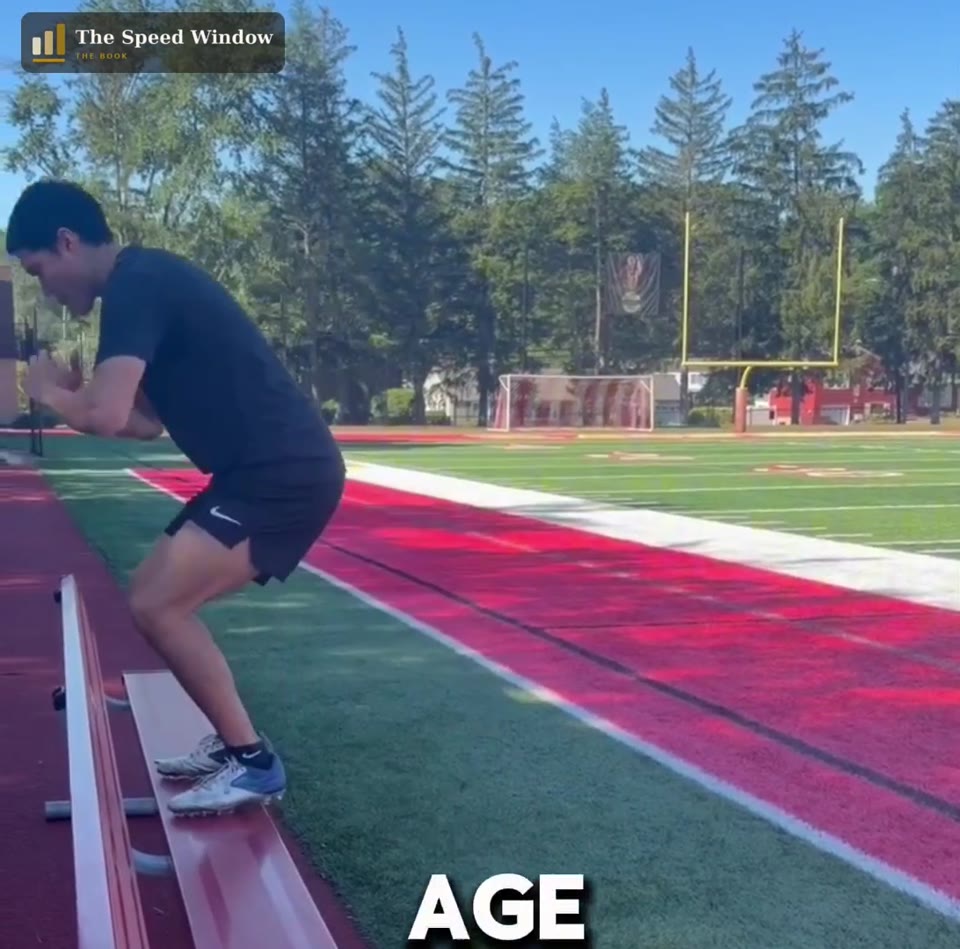
Hinge slightly at the hip, bend the knee, and swing the arms back simultaneously. This is the loading phase. The arm swing creates the momentum that drives the hop.
Hop forward: short and controlled
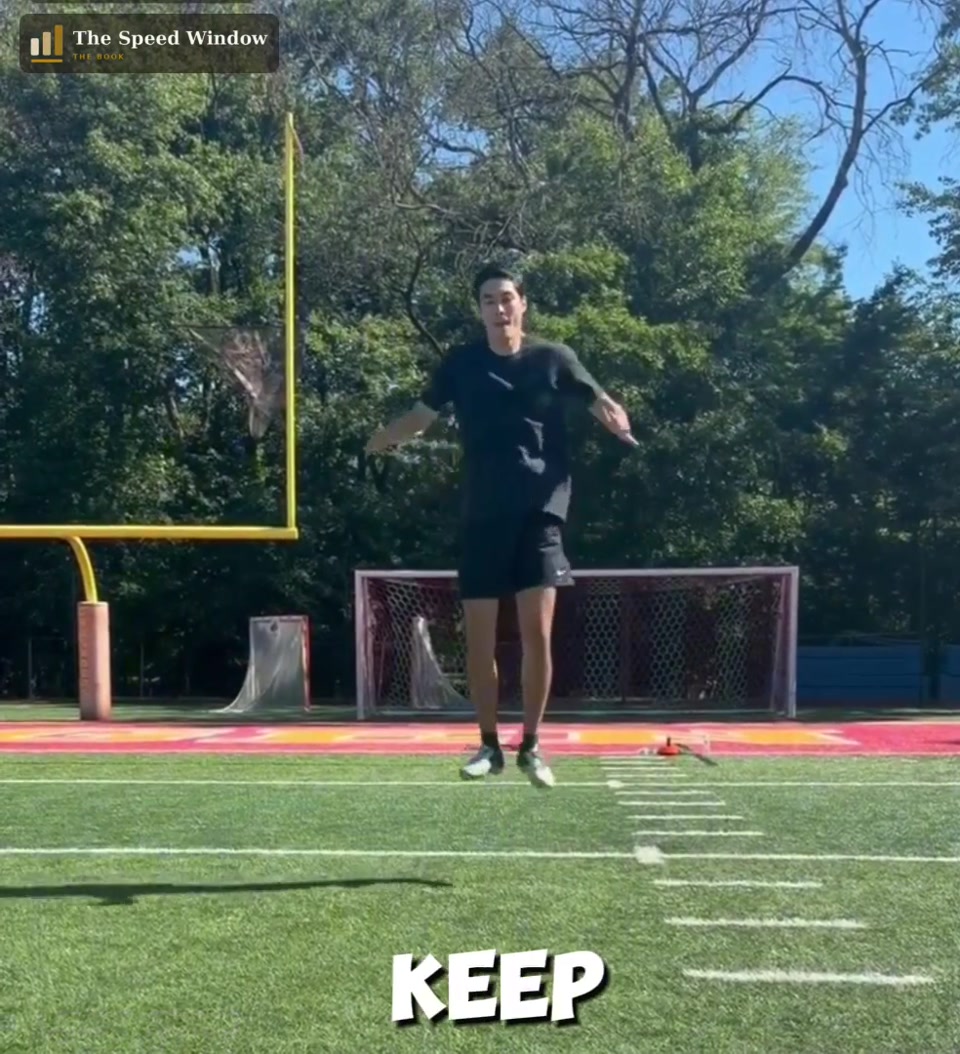
Push off the take-off foot. The hop is low and forward. Not vertical. Land on the opposite foot if alternating legs, or the same foot for same-foot hops. Keep the landing foot dorsiflexed during flight.
Land and stick: two-second hold
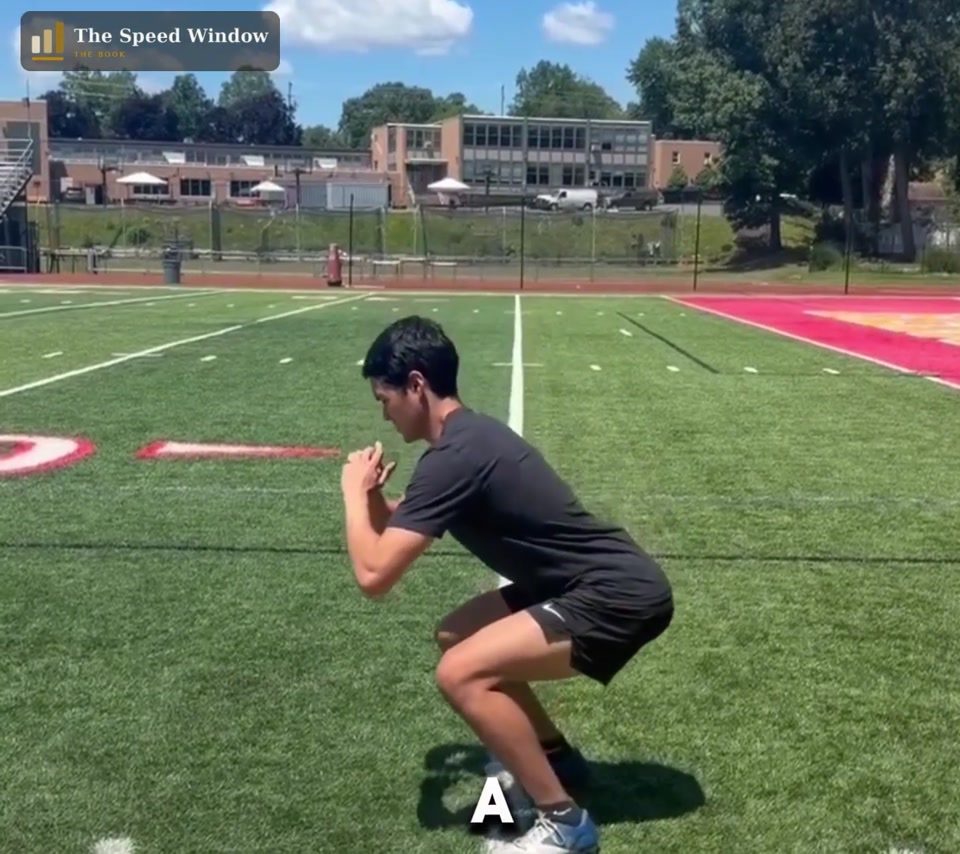
Land on the ball of the foot, absorb the force by bending the hip and knee simultaneously. Maintain the position for a full two-second count before resetting. Both hip and knee must bend: a stiff-knee landing on one foot is the most common error and the most dangerous.
Check the landing position before repeating
After the two-second hold, consciously check: hip over the knee, knee over the second toe, no collapse inward. This self-check is part of the rep. It builds body awareness that carries into automatic movement.
Common Errors
What to watch for and how to correct it.
Knee caving inward on landing: valgus collapse
The most critical error to address. The landing knee collapses toward the midline instead of tracking over the second toe. This is the landing mechanics pattern associated with ACL injury risk. Stop the drill immediately and address hip abductor activation. Cue: 'knee out. Push it over your second toe.'
Stiff-knee landing. No hip or knee bend
The athlete lands with a nearly straight leg, absorbing all force through the ankle and knee joint rather than distributing it through the full kinetic chain. Cue: 'soft landing, bend and hold.' Demonstrate the difference between a stiff and a soft one-leg landing.
No stick: immediately lifting off again
The athlete hops and bounces straight into the next rep without a held position. The two-second stick is the training stimulus: without it, the drill becomes a pogo hop on one leg, which trains a completely different quality. Cue: 'stick it, count to two.'
Trunk lean forward on landing
The upper body falls forward over the landing foot. This places excessive force on the knee. Cue: 'tall chest, reach your hips back.' Think landing in a one-leg squat, not falling forward.
Coaching Cue
The one thing to say when you need the rep to change.
"Land soft, stick it, knee over the toe."
These three cues map onto the three most common errors: heel/stiff landing (soft), no hold (stick it), and valgus collapse (knee over the toe). Deliver the full three-cue phrase before each rep. After a valgus collapse, isolate the third cue and repeat it.Progressions & Regressions
Where this drill fits in the sequence.
Regress to: if the athlete is struggling
- Broad Jump + Stick: establish bilateral landing quality before unilateral demand
- Single-Leg Balance Hold: stand on one foot for 10 seconds before the hop is added
- Step-down to single-leg hold: step off a low box onto one foot and stick, no jump involved
Progress to: once the pattern is clean
- Single-Leg Hop + Stick: angled directions (45 degrees left and right)
- Single-Leg Hop series: three consecutive hops, stick on the final one
- Box Jump (Step Down) adds height and bilateral demand before unilateral power training
Programming Notes
When and how to use this drill in a session.
Introduce after the Broad Jump + Stick landing is consistent and clean, typically in weeks 3 to 4 of a plyometric block. Run it after bilateral jumps in the session. The bilateral work activates the landing pattern that the unilateral drill then challenges.
3 sets of 4 to 5 reps per leg. Right leg first in the first set, left leg first in the second. Track whether one side consistently shows valgus or instability. That asymmetry should be noted and addressed in subsequent sessions.
Keep the hop distance short until the landing is strong. Increasing hop distance is a secondary goal. Landing quality is the primary goal. A short, clean hop is a better training rep than a long, collapsed one every time.
Neural Window · Ages 7–12
The critical learning window.
Between ages 7 and 12, the nervous system acquires movement patterns faster than at any other stage of development. The drills trained here are not fitness drills. They are wiring sessions.
Explore the Neural WindowEvery drill here comes from the book.
The Speed Window maps all three windows: what to train, when, and why.
Get the Book