Purpose
What this drill trains, and why it matters.
Pogo Hops train ankle stiffness and the stretch-shortening cycle: the two physical qualities most directly responsible for sprint speed that can be developed during the Neural Window. The drill is simple: rapid, continuous two-foot hops with minimal ground contact time and minimal knee bend. But what it is training is anything but simple.
Ankle stiffness is the ability of the ankle complex to act as a spring during ground contact: storing energy on impact and releasing it in the next step. Athletes with high ankle stiffness have faster ground contacts and greater elastic return with each stride. Pogo Hops are the primary tool for developing this quality at the Neural Window age range.
The drill looks easy. The discipline is in the execution: minimal ground contact, upright posture, and continuous rhythm with no pause at the top of each hop. Athletes who develop this pattern in the Neural Window carry it into the sprint mechanics of later windows automatically.
Setup
How to position your athlete before the first rep.
Flat surface, shoes with good ankle support
Perform Pogo Hops on a firm, flat surface only. Avoid soft grass or foam mats for this drill. The ground reaction is part of the training stimulus.
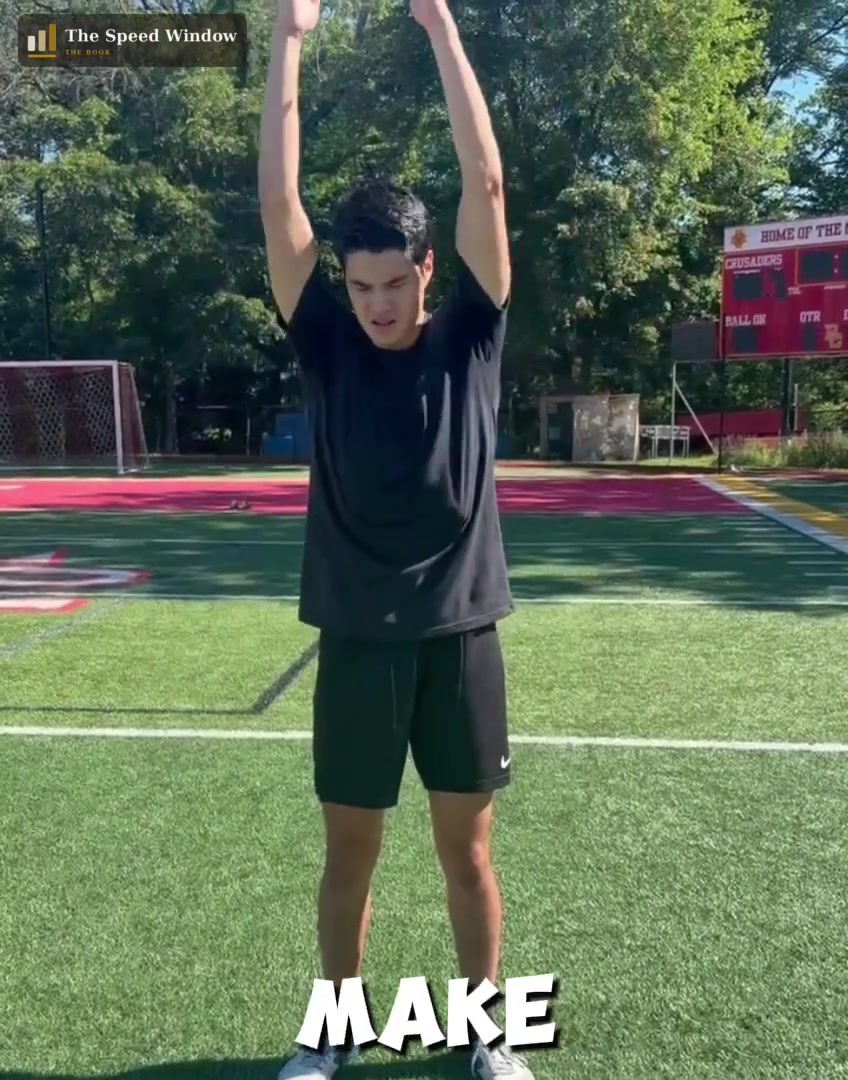
Start standing, feet hip-width
Arms are at the sides or loosely in front of the body. The athlete stands tall before the first hop.
Demonstrate the correct pattern before incorrect options
Show what correct Pogo Hops look like (quick, light, tall) and then briefly show what wrong looks like (big knee bend, heavy landing). Young athletes respond strongly to the contrast.
Execution
The drill, step by step.
Hop on the balls of the feet: minimal heel contact
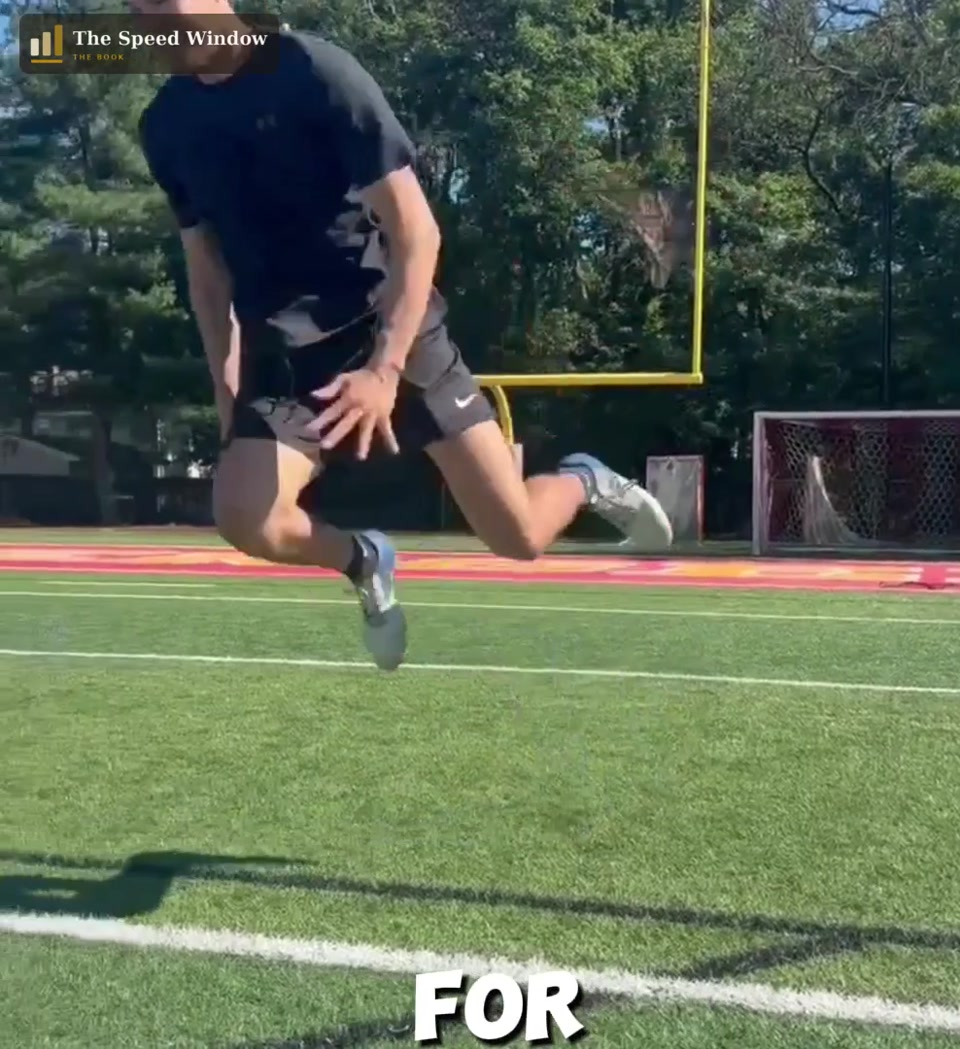
Every hop makes contact on the balls of the feet. The heel barely touches or does not touch at all. This is what creates the stiff ankle spring action.
Minimal knee bend: legs nearly straight
The knee bend is small. No more than 10 to 15 degrees. Deeper knee bends shift the work from the ankle to the knee and hip, which trains a different quality entirely.
Stay upright. Do not lean forward
The torso stays completely vertical. Pogo Hops are an in-place or very slow-forward-travel drill. Forward lean indicates the athlete is trying to sprint rather than hop.
Continuous rhythm. No pause at the top
The hop cycle is continuous. There should be no moment where the athlete pauses in the air or on the ground. The rhythm should sound like a quick, even drumbeat. Not a deliberate thump-pause-thump.
Common Errors
What to watch for and how to correct it.
Excessive knee bend: squatting into each hop
The most common error. The athlete bends deeply at the knee on every landing, turning Pogo Hops into squat jumps. Cue: 'stiff legs, spring off the ankles.' Place a hand above the athlete's knees and cue them to keep their knees below it.
Heavy, loud landings
Loud landings indicate too much knee bend and not enough ankle stiffness. Cue: 'be quiet on the ground.' The sound of the drill is an accurate real-time indicator of ankle stiffness development.
Leaning forward
Forward lean during Pogo Hops usually means the athlete is trying to travel forward rather than hop in place. Correct the intent first. Pogo Hops go up, not forward. Use a floor mark to enforce in-place performance.
Irregular rhythm: some hops bigger than others
Inconsistent hop height means the athlete is not maintaining a consistent ankle spring. Cue: 'same height every time.' Clap the correct rhythm to give the athlete an auditory target.
Coaching Cue
The one thing to say when you need the rep to change.
"Quiet and quick: spring off the ankles."
'Quiet and quick' simultaneously addresses landing sound (ankle stiffness) and cadence (elastic return speed). 'Spring off the ankles' targets the correct anatomical emphasis. Athletes who have internalized this cue show measurably shorter ground contact times within a single session.Progressions & Regressions
Where this drill fits in the sequence.
Regress to: if the athlete is struggling
- Calf raises: standing calf raises to activate ankle range and dorsiflexion before hopping
- Single-leg calf hops: slow single-leg hops on the spot to feel the ankle loading before adding speed
Progress to: once the pattern is clean
- Single-Leg Pogo Hops: same drill on one leg
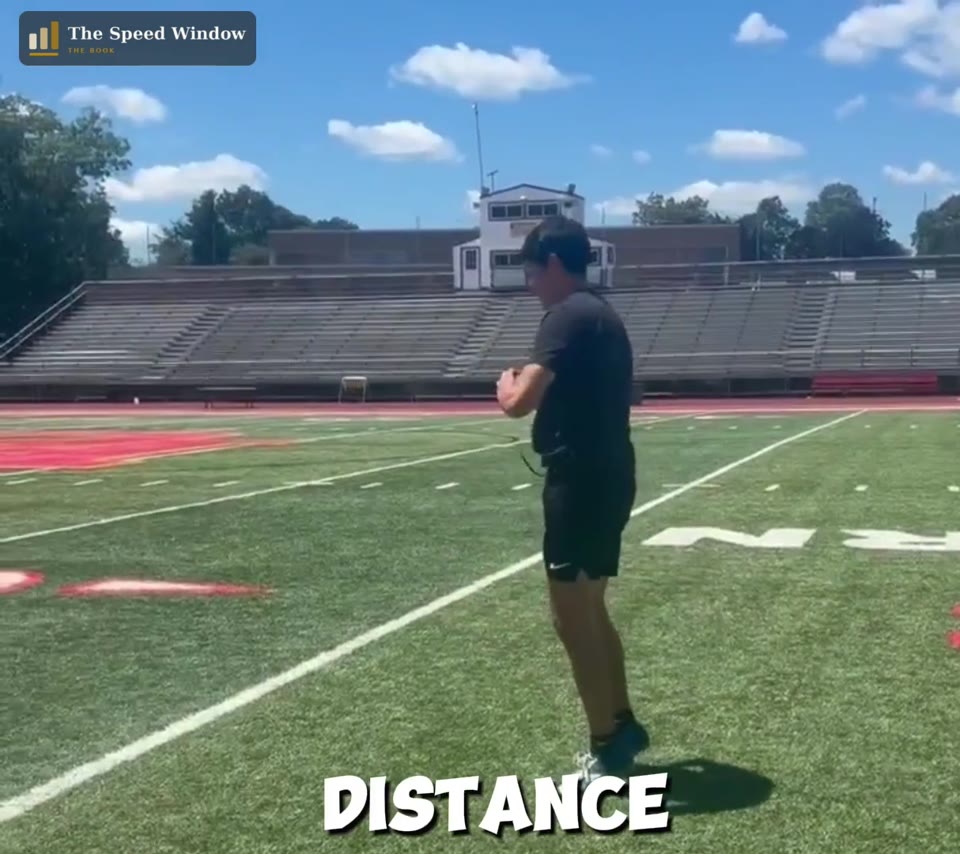
- Pogo Hops for distance: travel forward 5 yards maintaining the stiff ankle pattern
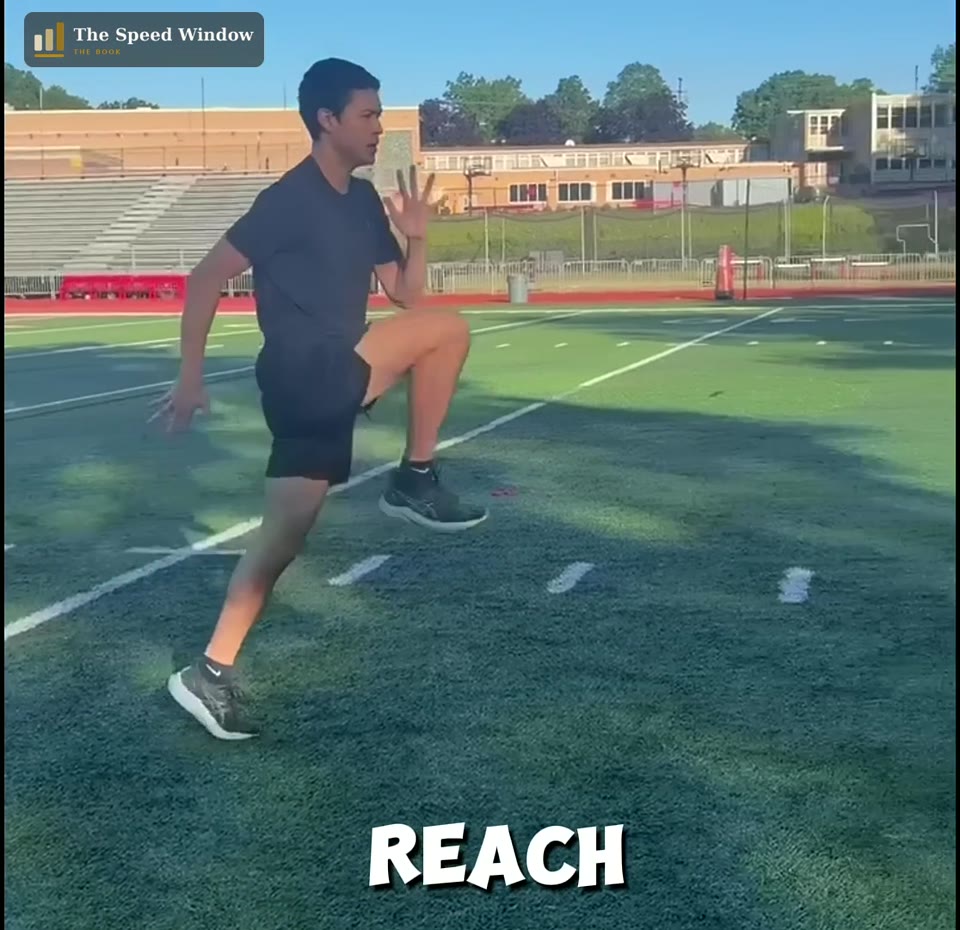
- Alternating Pogo Hops: alternate feet in a running-in-place pattern at maximum cadence
Programming Notes
When and how to use this drill in a session.
Use Pogo Hops early in the plyometric section, before broad jumps or box jumps. Three sets of 10 contacts with 60 seconds rest is the standard. The drill is short enough to maintain quality throughout all sets.
Progress to 15 contacts per set before adding single-leg variation. Consistent quiet landings across all sets is the performance standard for progression.
Neural Window · Ages 7–12
The critical learning window.
Between ages 7 and 12, the nervous system acquires movement patterns faster than at any other stage of development. The drills trained here are not fitness drills. They are wiring sessions.
Explore the Neural WindowEvery drill here comes from the book.
The Speed Window maps all three windows: what to train, when, and why.
Get the Book