Purpose
What this drill trains, and why it matters.
The Romanian Deadlift is the Force Window's primary hamstring development exercise and a complement to the hip thrust and single-leg RDL work established in the Stabilization Window. Where the Trap Bar Deadlift targets the full posterior chain from the floor, the RDL isolates the eccentric hamstring loading that occurs during the late swing phase of sprinting: the phase where hamstring strains most often occur.
Training the hamstrings eccentrically under load is the most effective method of injury prevention for sprinting athletes. The RDL achieves this by hinging forward with a straight-leg position while maintaining a flat back, loading the hamstrings through their full range of motion. The returning phase (standing up) is concentric. The lowering phase is the training stimulus.
Athletes who spend time in the Force Window doing heavy Back Squats and Trap Bar Deadlifts without balancing that quad and glute emphasis with posterior chain isolation work are developing an imbalance that increases hamstring strain risk as sprint speeds increase. The RDL is the corrective balance.
Setup
How to position your athlete before the first rep.
Load the bar to a manageable weight. RDL is not a max-lift exercise
The RDL is a hypertrophy and injury prevention exercise, not a max strength movement. Start with 30 to 40 percent of the athlete's deadlift max. The focus is range of motion and hamstring loading, not weight on the bar.
Start at standing: bar at hip height
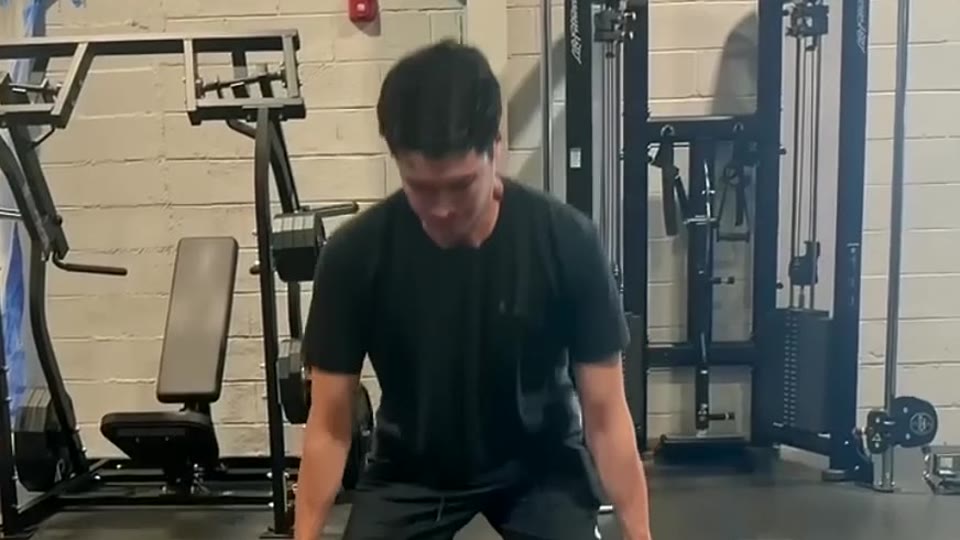
Unlike a conventional deadlift, the RDL begins at the top: the athlete stands tall, holds the bar at hip height with a pronated grip (shoulder-width), and initiates by hinging forward.
Soft knees: locked hips
The knees remain slightly flexed throughout. They do not bend more during the descent. The movement comes entirely from the hips hinging forward. Bending the knees converts the RDL into a deadlift and removes the hamstring stretch.
Execution
The drill, step by step.
Push the hips back: lead with the hips, not the back
The movement is a hip push-back. The athlete sends the hips directly behind them while maintaining a flat back. The bar stays close to the legs, dragging down the thighs.
Lower until a strong hamstring stretch is felt: typically mid-shin
The range of motion is limited by the athlete's hamstring flexibility and their ability to maintain a flat back. A strong stretch in the hamstrings is the signal to stop the descent. For most athletes this is mid-shin to just below the knee.
Hold the bottom position for one count
At the bottom, the athlete pauses for one count. Not a bounce, not a rapid reversal. This eliminates the contribution of the stretch reflex and forces the hamstrings to contract from a loaded stretch.
Drive the hips forward to return to standing
The return is a hip drive. The hips move forward to return the body to upright, not a pulling of the back. The glutes contract to complete the hip extension at the top.
Common Errors
What to watch for and how to correct it.
Rounding the lower back during descent
The lumbar spine rounds as the athlete approaches the bottom of the range. This transfers the load from the hamstrings to the lumbar erectors under tension. Stop the descent before the back rounds. Cue: 'flat back. Stop where the curve starts.'
Bending the knees too much: turning it into a deadlift
The knees bend progressively during the descent, converting the hip hinge to a squat-deadlift hybrid. Keep the knees in a consistent, slight bend throughout. Cue: 'knees stay, only the hips move.'
Bar drifting away from the legs
The bar swings forward instead of tracking close to the legs. This shifts the center of mass forward and dramatically increases lower back stress. Cue: 'drag the bar down the legs.'
Coaching Cue
The one thing to say when you need the rep to change.
"Push the hips back (bar drags the legs) flat back all the way."
This cue combines the three key technique elements: the movement initiation (hips back, not forward lean), bar path (drag the legs keeps it close), and spinal position (flat back all the way sets the standard for the full range). Deliver it as a complete package before the first rep.Progressions & Regressions
Where this drill fits in the sequence.
Regress to: if the athlete is struggling
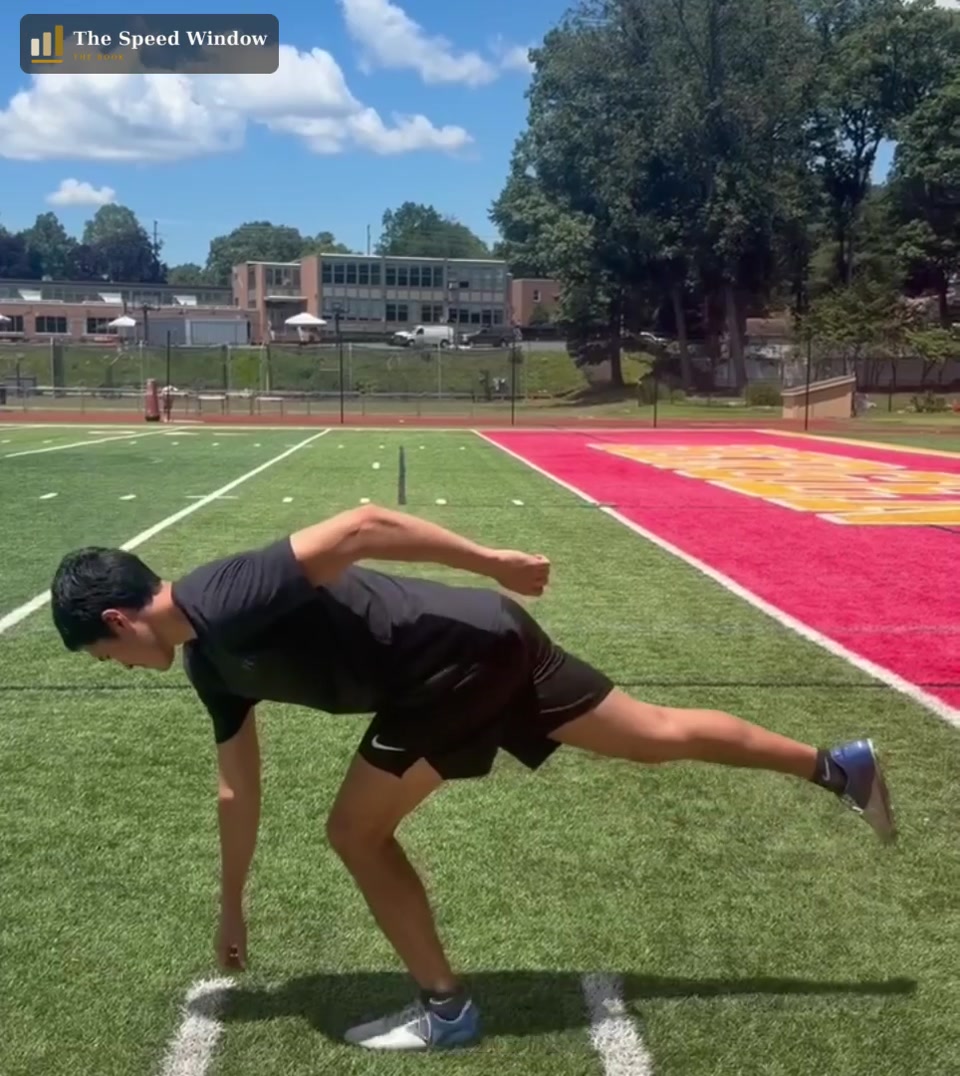
- Single-Leg RDL with bodyweight. Return to the single-leg hip hinge pattern if bilateral mechanics break down
- Dumbbell RDL: lighter load, more manageable balance demands, identical mechanics
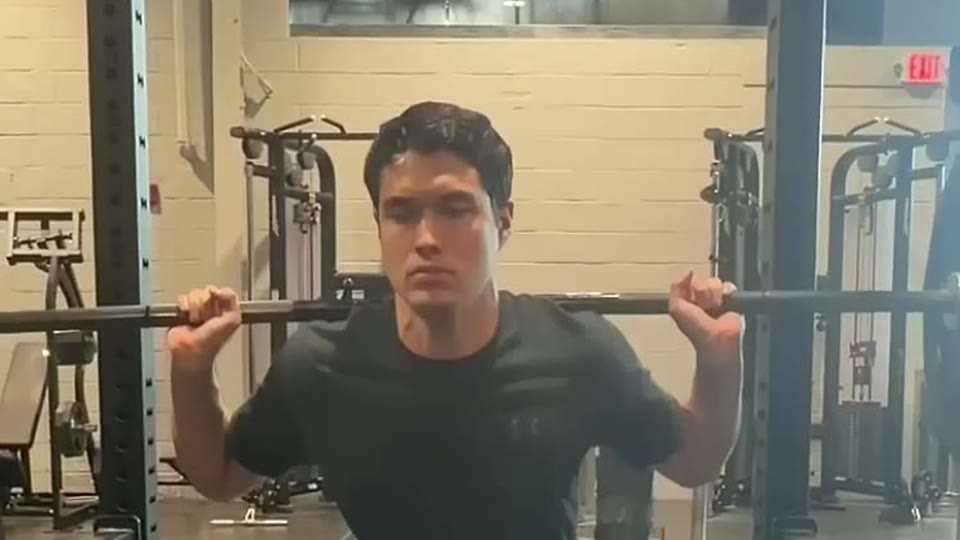
- Good Morning: barbell on the back version for athletes who find the bar-in-hands version harder to maintain back position
Progress to: once the pattern is clean
- Single-Leg Romanian Deadlift: same pattern with full balance and hip stability demands
- RDL with pause at bottom: extended pause (3 seconds) at the stretch point, maximum eccentric demand
- Nordic Hamstring Curl (the highest eccentric hamstring exercise) the RDL is the prerequisite
Programming Notes
When and how to use this drill in a session.
Program the RDL as a secondary posterior chain exercise in the same lower-body session as the Back Squat or Trap Bar Deadlift. It does not replace those exercises. It complements them as a hamstring-specific accessory.
Three to four sets of six to eight reps. The rep range is higher than the primary lifts because the RDL is a hypertrophy and injury prevention tool. Rest two to three minutes between sets.
Prioritize range of motion over load. An athlete who can RDL to mid-shin with a flat back at 135 lbs is training more effectively than one who RDLs to just below the knee with 185 lbs and a rounded back.
Force Window · Ages 15–18
Power on a proven foundation.
The athlete is physically ready for high-intensity training. Speed-power, strength, and explosive work are built on what the first two windows established.
Explore the Force WindowEvery drill here comes from the book.
The Speed Window maps all three windows: what to train, when, and why.
Get the Book