Purpose
What this drill trains, and why it matters.
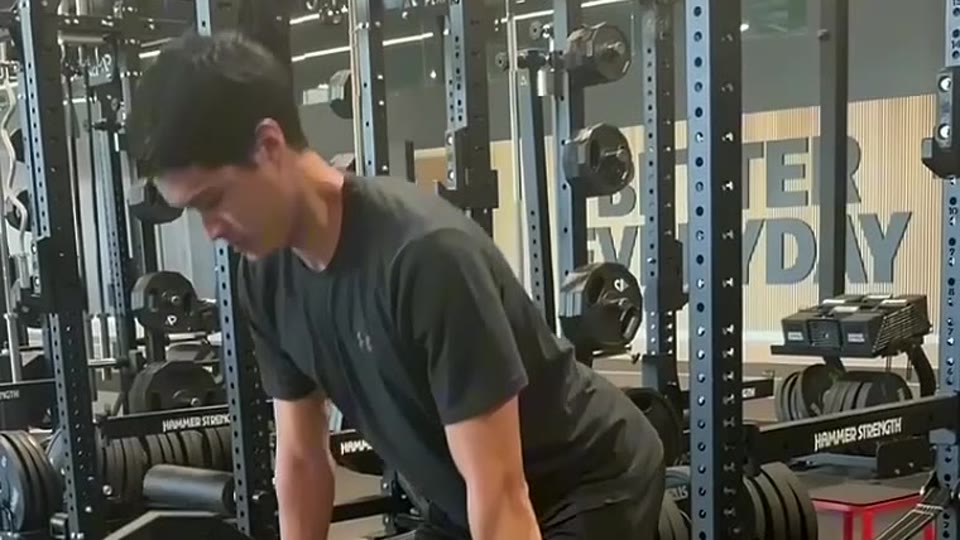
The Trap Bar Deadlift is the primary bilateral hip hinge strength movement of the Force Window, and the preferred deadlift variation for athletes in this framework. The trap bar (also called the hex bar) places the load at the athlete's sides rather than in front of them. This neutral spine advantage makes it mechanically superior to the conventional deadlift for athletes who are still developing their pulling pattern.
In the Force Window, the Trap Bar Deadlift is a true strength exercise. The loading is progressive and intentional. Athletes who have built the hip hinge through the Single-Leg RDL in the Stabilization Window and the bodyweight hinge patterns in the Neural Window will find the Trap Bar Deadlift a natural expression of that foundational work under significant load.
The posterior chain strength developed through the Trap Bar Deadlift transfers directly to sprint performance. Peak force production in a sprint stride is a hip extension event. The glutes and hamstrings are the primary drivers. Athletes who can move heavy loads in the hip extension pattern sprint faster. The relationship is direct and well-established.
Setup
How to position your athlete before the first rep.
Load the trap bar to the prescribed weight
For introductory Force Window athletes, start with just the bar or light plates. The movement pattern must be clean at any weight before load is increased.
Step inside the trap bar, feet hip-width
Feet are hip-width, toes slightly turned out. The athlete stands centered in the bar. Not shifted forward or back.
Hip hinge to the handles. Not a squat down
The setup is a hip hinge, not a squat. The athlete sends the hips back to reach the handles, maintaining a neutral spine. The shins should be relatively vertical at the start position.
Set the back: neutral spine, chest tall, shoulders over the bar
Before the first pull, the athlete 'sets the back': creating a flat, neutral spine position with the chest tall and the lats engaged. The shoulders should be directly over or slightly in front of the handles.
Execution
The drill, step by step.
Take a breath and brace: 360-degree tension
Before every rep, the athlete takes a full breath into the belly, braces the core in all directions (front, back, sides), and creates full-body tension from feet to traps.
Drive the floor away. Do not pull the bar up
The mental cue for the deadlift is pushing the floor down, not pulling the bar up. This activates the leg drive that initiates the lift and prevents the early back rounding that comes from a pure pull mental model.
Hips and shoulders rise at the same rate
The most common error in young athletes is the hips rising faster than the shoulders, converting the deadlift into a stiff-leg pull. The hips and shoulders must rise simultaneously.
Lock out at the top: hips through, glutes contracted
The lockout is a full hip extension with the glutes contracted. Do not hyperextend the lower back to complete the rep. The hips drive through to neutral. Not past it.
Controlled descent: hinge the hips back first
Return the bar to the floor by hinging the hips back (not squatting down), maintaining the flat back position. Reset the bracing pattern fully before the next rep.
Common Errors
What to watch for and how to correct it.
Hips rising before shoulders: stiff-leg pull
The athlete pulls from the hips up rather than driving the floor away simultaneously. This places the entire load on the lower back. Cue: 'drive the floor, hips and shoulders together.' Video review is highly effective for this error. The athlete rarely perceives it in real time.
Rounding the lower back at the start
The athlete initiates the pull with a rounded lower back rather than a neutral spine. This is the most dangerous error in the Trap Bar Deadlift. Stop the rep. Re-set the hip hinge position. Reduce the weight.
Bar drifting forward: losing the center position
The bar drifts to the front of the handles as the athlete pulls. This shifts the center of mass forward and increases lower back load. Cue: 'stay centered in the bar, same weight on both handles.'
Hyperextension at the lockout
The athlete extends past neutral at the top, arching the lower back. The lockout is a neutral hip extension: hips through, glutes on, spinal position maintained. Cue: 'squeeze the glutes, don't lean back.'
Coaching Cue
The one thing to say when you need the rep to change.
"Drive the floor away, hips and shoulders together."
This cue simultaneously fixes the two most common and most important errors: the 'pull the bar up' mental model (replaced by 'drive the floor away') and the hips-rising-first pattern (addressed by 'hips and shoulders together'). Use it as a pre-rep cue before every set.Progressions & Regressions
Where this drill fits in the sequence.
Regress to: if the athlete is struggling
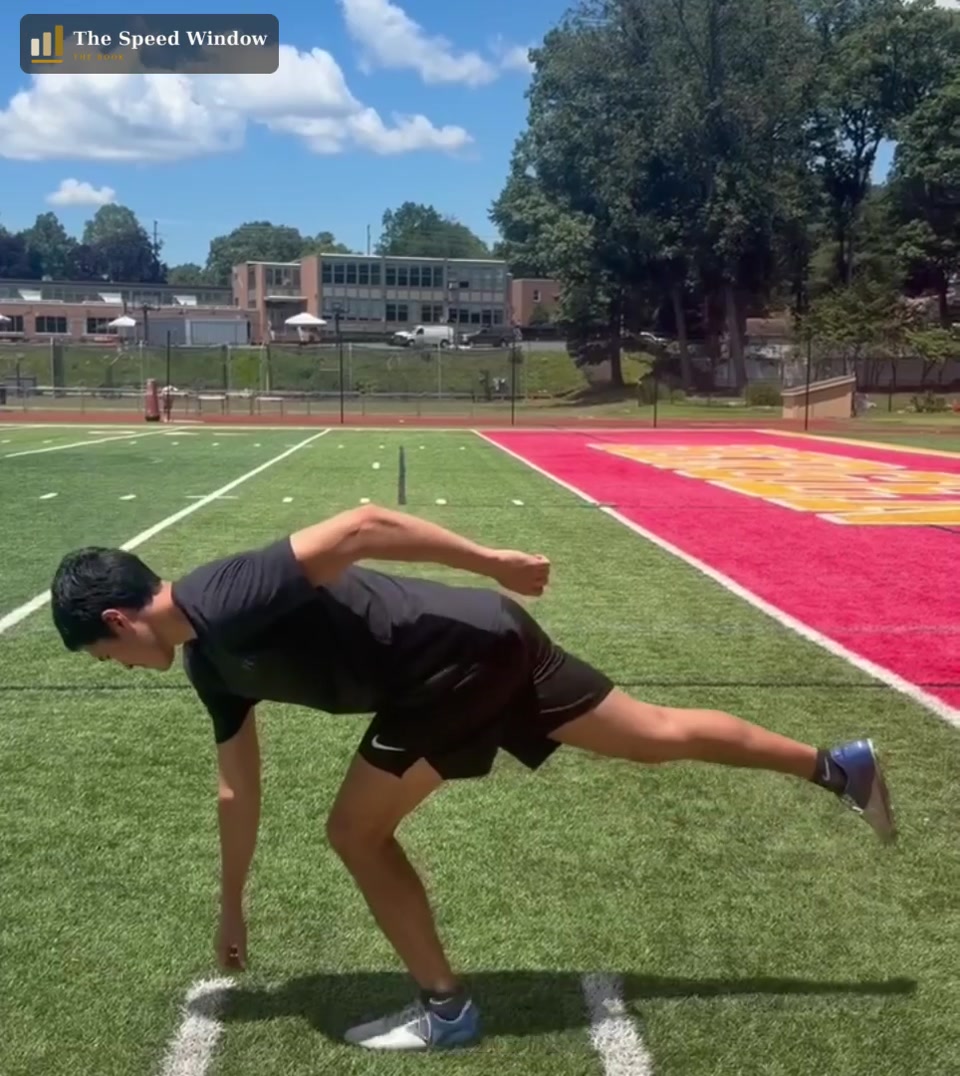
- Single-Leg RDL. Return to bilateral hip hinge pattern if lower back rounding persists
- Romanian Deadlift: mid-shin starting height removes the floor-to-ankle range where most errors occur
Progress to: once the pattern is clean
- Conventional Deadlift: transition athletes to the straight bar variation once Trap Bar mechanics are established
- Deficit Trap Bar Deadlift: stand on a 2-inch plate to increase the range of motion demand
- Trap Bar Deadlift: max strength progression: work to 3 × 3 at near-maximal load
Programming Notes
When and how to use this drill in a session.
Program the Trap Bar Deadlift as the primary lower-body posterior chain movement in the Force Window, 2 times per week. Four sets of 4 to 6 reps is the strength development prescription. Progression is 5 lbs per session until form breakdown.
The Trap Bar Deadlift is a high-CNS-demand exercise. Do not program it after heavy sprint work or other maximal-effort activities. It belongs early in the strength session when the nervous system is fresh.
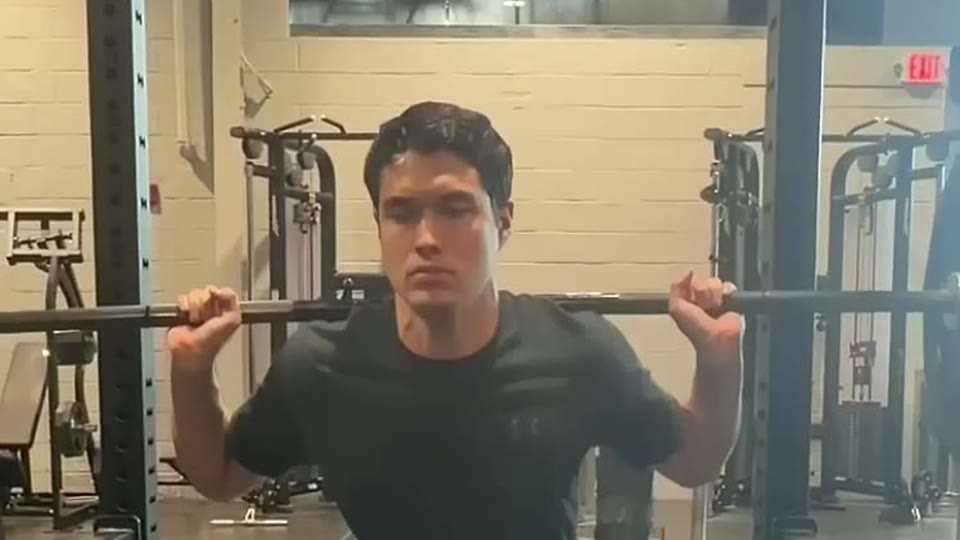
Combine with a squat movement (Back Squat) on lower-body days to develop both knee-dominant and hip-dominant strength patterns. The Trap Bar Deadlift + Back Squat pairing is the primary lower-body strength structure for Force Window athletes.
Force Window · Ages 15–18
Power on a proven foundation.
The athlete is physically ready for high-intensity training. Speed-power, strength, and explosive work are built on what the first two windows established.
Explore the Force WindowEvery drill here comes from the book.
The Speed Window maps all three windows: what to train, when, and why.
Get the Book